Augmented reality applications in learning and translation
Augmented reality applications are experiences first introduced commercially in entertainment and gaming businesses; frameworks include ARKit and ARCore, and commercial headsets include the Magic Leap 1 and HoloLens. How can AR support learning and make unfamiliar language understandable? By the end, readers will understand how digital content can respond to a person's needs and surroundings within a physical setting.
2 articles, 1 book
The reading path
- Readaugmented reality applications · Wikipedia
In a flight simulator, students saw a flight path in the sky to learn to land an airplane. Showing the augmentation only when students departed from the path was more effective than showing it constantly: students using this adaptive approach learned to land a light aircraft more quickly than students trained with constant augmentation or without augmentation. Word Lens can interpret foreign text on signs and menus and re-display it in the user's language in an augmented view, while spoken foreign words can be translated and displayed as printed subtitles.
- ReadAugmented Reality Explained: How It Works - SlashGear · SlashGear
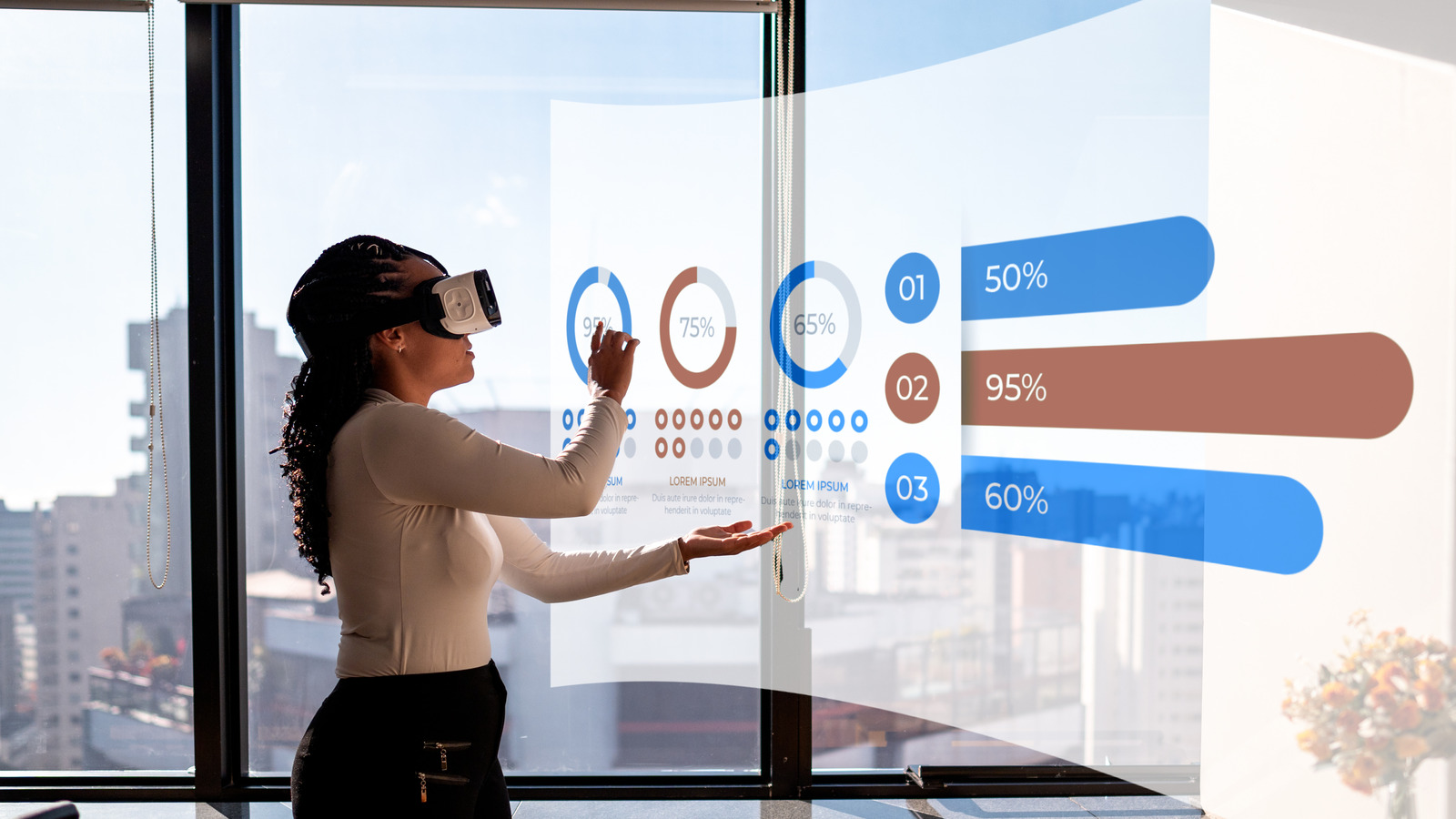
Scanning a QR code can make information about an object or location pop up: the code is a marker that software recognizes. Marker-less AR works without scanning one, using location, camera and sensor information, or the time of day; Pokémon Go is one example. These approaches show how AR can place digital content into a physical setting, either by recognizing a marker or by drawing on information about the user's surroundings.
- BookAugmented Reality: Principles and Practice · Bookshop.org
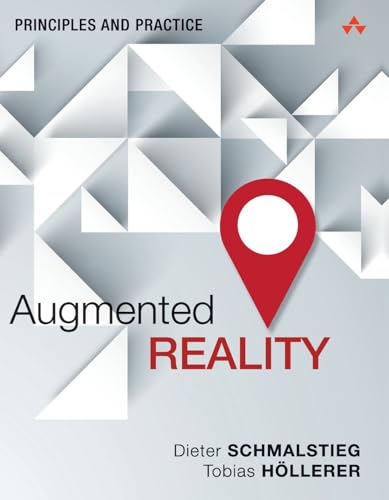
Augmented Reality by Dieter Schmalstieg and Tobias Hollerer presents the principles of augmented reality in a clear narrative, making complex concepts accessible and illustrating real-world applications.

Book links are Bookshop.org affiliate links. Curiate may earn a commission on purchases, at no extra cost to you — Bookshop.org also gives a share to independent bookshops.
Reading paths, built to arrive somewhere
Curiate turns what you are curious about into a short path — a quick lesson on an article, something to watch, and a book to go deep on. Free to browse.