How metaphysics explores the nature of reality
Metaphysics is the branch of philosophy that examines the basic nature or most fundamental structure of reality. These lessons help you understand how metaphysics asks what reality is like and how its deepest questions connect to possibility, choice, and the relation between mind and world. They trace broad questions about being, what can be, and how reality is structured.
2 articles, 1 book · about 1 hr 13 min of reading and viewing
The reading path
- Readmetaphysics · Wikipedia · 58 min read
General metaphysics, also called ontology, takes the widest perspective and studies the most fundamental aspects of being. It investigates the features that all entities share and how entities can be divided into different categories. In metaphysics, a possible world is a complete and consistent way the totality of things could have been. Possible world semantics says a statement is possibly true if it is true in at least one possible world, and necessarily true if it is true in all possible worlds. Metaphysicians debate whether determinism and free will can coexist; compatibilists argue they can because people may act in tune with their motivations and choices even when determined by other forces. Free will also matters to ethics because it concerns people's moral responsibility for what they do.
- ReadCausation: A History · Philosophy Now · 15 min read
In metaphysics, Leibniz's pre-established harmony says mental and physical realms are like separate pre-set clocks, wound up by God to run in harmony. Although they do not interact, they appear to because they continue to run in harmony.
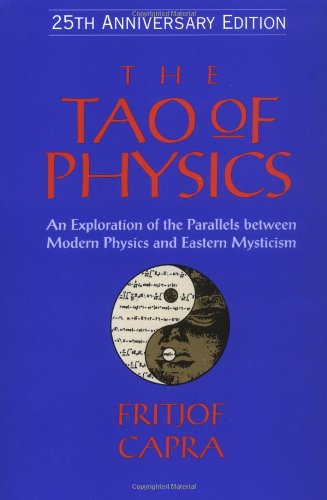
- BookThe Tao of Physics · Bookshop.org
The Tao of Physics by Fritjof Capra explores parallels between Eastern mysticism and modern physics, describing how similarities between the fields can help explain each other.

Book links are Bookshop.org affiliate links. Curiate may earn a commission on purchases, at no extra cost to you — Bookshop.org also gives a share to independent bookshops.
Reading paths, built to arrive somewhere
Curiate turns what you are curious about into a short path — a quick lesson on an article, something to watch, and a book to go deep on. Free to browse.