Psychology of learning through practice and reflection
Psychology of learning is the study of how people acquire new understanding, knowledge, behavior, skills, values, attitudes, and preferences. These lessons answer how practice and reflection shape learning, and help readers understand how to guide and regulate their learning. They follow the connections between practice, prior knowledge, motivation, and reflection.
2 articles, 1 book · about 44 min of reading and viewing
The reading path
- Readpsychology of learning · Wikipedia · 42 min read
Evidence-based learning uses evidence from well-designed scientific studies to accelerate learning. Methods such as spaced repetition can increase the rate at which a student learns. Ivan Pavlov's dogs salivated reflexively when fed meat powder, which Pavlov paired with a bell. After numerous pairings, the dogs salivated when they heard the bell; meat powder was the unconditioned stimulus, and salivation to it was the unconditioned response.
- ReadSelf-Regulating Motivation and Emotion During Learning — The Learning Scientists · The Learning Scientists · 2 min read
Self-regulated learning cycles through forethought, performance and self-reflection, allowing learners to regulate their learning. Learners' ability to assess and regulate their motivation and emotions can strongly shape that self-regulation.
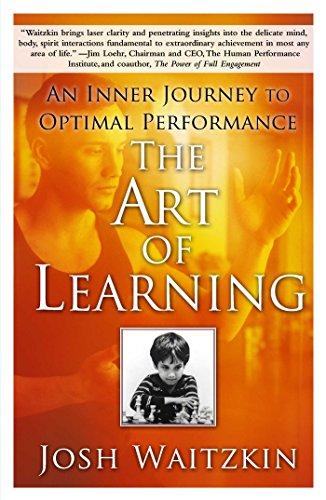
- BookThe Art of Learning: An Inner Journey to Optimal Performance · Bookshop.org
The Art of Learning by Josh Waitzkin describes, through personal narrative, the psychological processes behind mastering skills and learning effectively.


Book links are Bookshop.org affiliate links. Curiate may earn a commission on purchases, at no extra cost to you — Bookshop.org also gives a share to independent bookshops.
Reading paths, built to arrive somewhere
Curiate turns what you are curious about into a short path — a quick lesson on an article, something to watch, and a book to go deep on. Free to browse.