Learning through mentorship in entrepreneurship
Mentorship in entrepreneurship is guidance or direction from someone who teaches or gives help and advice to a less experienced, often younger person. What can learners and mentors understand about learning through entrepreneurial mentorship? The lessons consider how guidance, relationships, and resources can support learning and development.
3 articles, 1 book · about 1 hr 25 min of reading and viewing
The reading path
- ReadDigital platforms and entrepreneurial support: a field experiment in online mentoring - PMC · pmc.ncbi.nlm.nih.gov · 43 min read
In entrepreneurship, mentoring relationships provide tangible and intangible resources, and a supportive mentor can offer more targeted and relevant advice than entrepreneurs get from seeking advice across extremely large networks.
- ReadMentoring: the missing link to small business growth and survival - Small Business Administration · Small Business Administration · 3 min read
For entrepreneurs, a business mentor can provide expertise they might not have. Mentors can help them avoid common pitfalls through their real-life experiences.
- Readmentorship in entrepreneurship · Wikipedia · 39 min read
Mentoring technology can let learners search for and select a mentor based on their development, coaching needs, and interests. This learner-driven methodology increases the speed of matches and reduces the administrative time required to manage the program. A meta-analysis of 112 individual research studies found mentoring has significant behavioral, attitudinal, health-related, relational, motivational, and career benefits. For a learner, these benefits depend on the different functions being performed by the mentor.
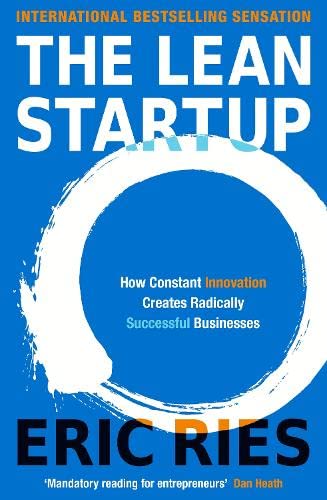
- BookThe Lean Startup · Bookshop.org
The Lean Startup by Eric Ries describes validated learning, rapid scientific experimentation, and testing a vision continuously so entrepreneurs can adapt before it's too late. Ries's approach to building successful startups centers on learning what customers really want.

Book links are Bookshop.org affiliate links. Curiate may earn a commission on purchases, at no extra cost to you — Bookshop.org also gives a share to independent bookshops.
Reading paths, built to arrive somewhere
Curiate turns what you are curious about into a short path — a quick lesson on an article, something to watch, and a book to go deep on. Free to browse.