How tech entrepreneurship turns opportunities into viable businesses
Tech entrepreneurship is about creating or extracting economic value by finding and commercializing opportunities to deliver products or services. In economics, an entrepreneur is an entity able to translate inventions or technologies into products and services. The lessons explore venture ideas, resources and teams, and how startups learn whether a business model may have value.
2 articles, 1 video, 1 book · about 1 hr 12 min of reading and viewing
The reading path
- Readtech entrepreneurship · Wikipedia · 60+ min read
A nascent entrepreneur is someone in the process of establishing a business venture, pursuing an opportunity that is still a venture idea until the business is established. Actions towards establishing the venture can result in a viable business or in the venture being discontinued. Entrepreneurial resources can be divided into two fundamental categories: tangible resources, such as equipment and cash, and intangible resources, such as skills, experience, brand name, reputation, networks, know-how and intellectual property. Project entrepreneurs in tech entrepreneurship have to "rewire" temporary ventures for new project opportunities. Their approach and team for one project may have to change for a subsequent project.
- ReadThe Lean Startup Methodology: Validated Learning for Rapid Growth | No Code MBA · nocode.mba · 6 min read
Eric Ries developed the Lean Startup methodology to shorten product development cycles and quickly discover if a proposed business model is viable. The method emphasizes learning, scientific experimentation, and iterative product releases.
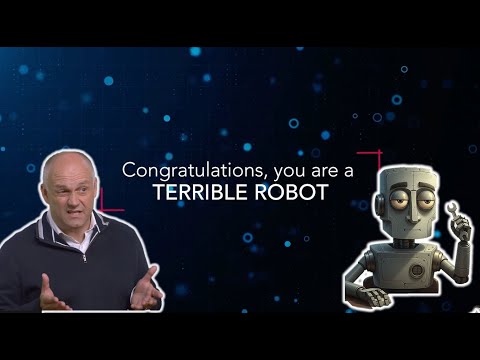
- WatchVideo 1: Congratulations, You Are a Terrible Robot - MIT Innovation Teams · YouTube · 5 min watch
The video provides background on how the Innovation Teams approach differs from traditional entrepreneurship models, as part of MIT 15.371/10.807/2.907 Innovation Teams Fall 2024, taught by Luis Perez-Breva.
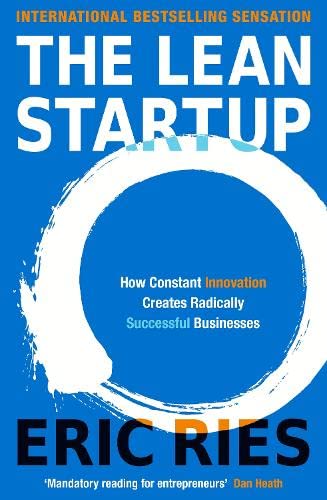
- BookThe Lean Startup · Bookshop.org
The Lean Startup by Eric Ries defines a startup as an organization creating something new under extreme uncertainty. Ries describes validated learning and rapid scientific experimentation to measure actual progress, learn what customers want, and test a vision continuously so entrepreneurs can adapt before it's too late.
Book links are Bookshop.org affiliate links. Curiate may earn a commission on purchases, at no extra cost to you — Bookshop.org also gives a share to independent bookshops.
Reading paths, built to arrive somewhere
Curiate turns what you are curious about into a short path — a quick lesson on an article, something to watch, and a book to go deep on. Free to browse.