How Confucian learning shaped civil service in ancient China
The imperial examination was a system for selecting candidates for government service in imperial China, where written exams were first earnestly used under the Sui dynasty. How did Confucian learning shape civil service, and what can its evolution help us understand about selecting officials? The lessons trace the changing relationship between learning and access to government service, including its later development after 1912.
2 articles, 1 book · about 2 hr of reading and viewing
The reading path
- Readthe evolution of civil service in ancient china · Wikipedia · 60+ min read
Song emperors expanded examinations, tests for selecting candidates for government service, and government schools, in part to counter military aristocrats' influence. From the Song dynasty onward, examinations played the primary role in selecting scholar-officials, who formed society's literati elite. Imperial examinations is a civil service examination system for selecting candidates for government jobs. Wu Zetian, who officially took the title of emperor in 690, expanded the examinations, which tested candidates on Confucian doctrine for statecraft, as part of her plan to create a new class of elite bureaucrats from humbler origins.
- ReadWhen Elite Persistence Improves Society · Palladium Magazine · 13 min read
Keju, the civil-service examination system, gave children in aspiring families a head start: they began reading Confucian texts at age 6 or 7, and family resources smoothed their preparation. These advantages were partial, not absolute. Late Qing reformers believed Keju's focus on mastering old Confucian traditions no longer served society and dangerously misdirected elites. In 1905, they made a last-ditch attempt to modernize China.
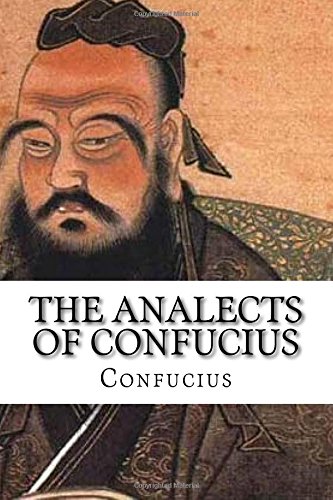
- BookThe Analects of Confucius · Bookshop.org
The Analects by Confucius describes the moral and ethical principles that shaped civil service and governance in ancient China, emphasizing virtue and moral leadership.


Book links are Bookshop.org affiliate links. Curiate may earn a commission on purchases, at no extra cost to you — Bookshop.org also gives a share to independent bookshops.
Reading paths, built to arrive somewhere
Curiate turns what you are curious about into a short path — a quick lesson on an article, something to watch, and a book to go deep on. Free to browse.