Why young people joined the cultural revolution in china
The Cultural Revolution was a sociopolitical movement in China launched by Chinese Communist Party chairman Mao Zedong in 1966, lasting until his death in 1976. These lessons answer how young people were drawn into revolutionary upheaval and help readers understand their place in it. They trace the themes of youth, political mobilization, and life shaped by the movement.
2 articles, 1 video, 1 book · about 2 hr 2 min of reading and viewing
The reading path
- ReadIntroduction to the Cultural Revolution · spice.fsi.stanford.edu · 11 min read
The Cultural Revolution, which lasted from 1966 to 1976, represented a release from shackles, frustrations, and feelings of powerlessness to the youth of the day. It also gave them freedom to enact revenge on people they believed exercised undue influence over them or had been told were "class enemies."
- Readthe cultural revolution in china · Wikipedia · 60+ min read
On 18 August 1966 in Beijing, over a million Red Guards from across the country gathered in and around Tiananmen Square for an audience with the chairman. Subsequently, violence escalated in Beijing and quickly spread. Mao began the Down to the Countryside Movement in December 1968, ordering young bourgeoisie living in cities to go to the countryside to experience working life. The movement was in part a means of moving Red Guards from the cities to the countryside, where they would cause less social disruption, and it also spread revolutionary ideology geographically.
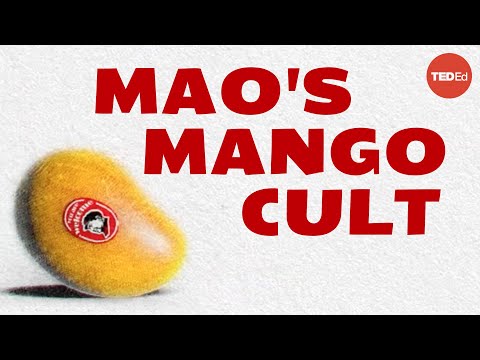
- WatchMao Zedong's infamous mango cult - Vivian Jiang · YouTube · 7 min watch
Vivian Jiang investigates how Mao Zedong used mangoes as a propaganda tool during China's Cultural Revolution.
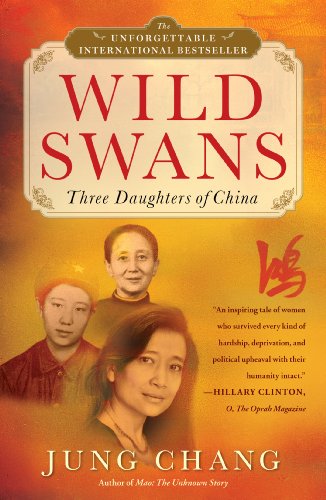
- BookWild Swans: Three Daughters of China · Bookshop.org
Wild Swans by Jung Chang recounts her family history across three generations; in her own story, Chang describes joining the Red Guards despite recoiling from some of their brutality, while her father became a target after criticizing Mao over suffering caused by the Cultural Revolution.

Book links are Bookshop.org affiliate links. Curiate may earn a commission on purchases, at no extra cost to you — Bookshop.org also gives a share to independent bookshops.
Reading paths, built to arrive somewhere
Curiate turns what you are curious about into a short path — a quick lesson on an article, something to watch, and a book to go deep on. Free to browse.