War, hunger and the Russian Revolution
The Russian Revolution was a period of political and social change in Russia, when two revolutions and a civil war led to the abolition of the monarchy and adoption of a socialist government. The lessons answer how war, hunger, and the Tsar's loss of power shaped this upheaval, helping readers understand the pressures behind revolutionary change.
3 articles, 1 book · about 1 hr 8 min of reading and viewing
The reading path
- Readthe history of the russian revolution · Wikipedia · 59 min read
Russia had lost between 1,600,000 and 1,800,000 soldiers by the end of October 1916, with an additional 2,000,000 prisoners of war and 1,000,000 missing, all making up a total of nearly 5,000,000 men. These staggering losses played a definite role in the mutinies and revolts that began to occur. The government printed millions of roubles to finance the war, and by 1917 inflation had made prices rise up to four times their 1914 level. This was an indirect reason for food scarcity, and the cities were constantly short of food.
- ReadThe February Revolution: Why Didn't They Shoot? - JSTOR Daily · JSTOR Daily · 2 min read
During the February Revolution of 1917, the Volinsky Life-Guards Regiment refused to suppress the demonstrations, and a mutiny spread through the Army. Without the military, the Tsar, still in his Eastern Front command post, was powerless in the face of grievances against his corrupt and incompetent rule.
- ReadRussian Revolution: Causes, Timeline & Bolsheviks | HISTORY · HISTORY · 7 min read
Russia entered World War I in August 1914, and the costly war effort brought immense casualties, an estimated 9 million civilians and military personnel, food and fuel shortages, and a hopelessly disrupted economy.
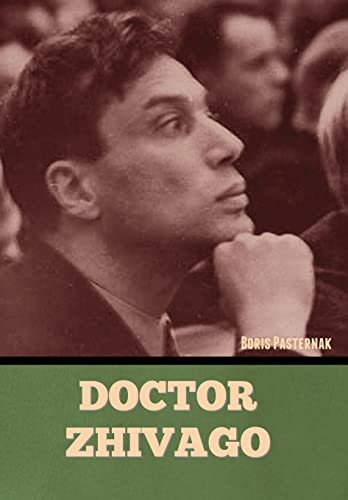
- BookDoctor Zhivago · Bookshop.org
Doctor Zhivago by Boris Pasternak describes the effects of the Russian Revolution and its aftermath on a bourgeois family, including how the Bolsheviks' brutality and harshness affect an artistic person.


Book links are Bookshop.org affiliate links. Curiate may earn a commission on purchases, at no extra cost to you — Bookshop.org also gives a share to independent bookshops.
Reading paths, built to arrive somewhere
Curiate turns what you are curious about into a short path — a quick lesson on an article, something to watch, and a book to go deep on. Free to browse.