Mosaic displayed images inline with text
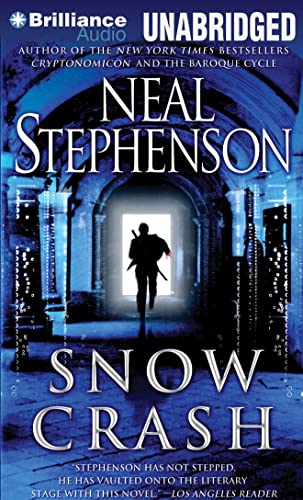
In 1989, British scientist Tim Berners-Lee invented the World Wide Web while working at CERN, to meet scientists' demand for automated sharing of information. How did a tool built for researchers become something the general public used during the 1990s? In Snow Crash by Neal Stephenson, readers meet Hiro Protagonist searching for a computer virus striking hackers, linking virtual identity with online threats.
3 articles, 1 book
The reading path
- BookSnow Crash · Bookshop.org
In 1989, British scientist Tim Berners-Lee invented the World Wide Web while working at CERN. He developed it to meet scientists' demand for automated information-sharing between universities and institutes around the world, an origin story from the early days of the internet in the 1990s.
- ReadA short history of the Web · CERN
Mosaic, a discontinued web browser, was the first browser to display images inline with text instead of in a separate window. Mosaic helped popularize the World Wide Web, a global interconnected information system that enables content sharing over the Internet, and the general Internet during the 1990s.
- ReadMosaic (web browser) · Wikipedia
Hypertext is information linked through text, so readers can click from one item to another. While working at CERN, the European Organization for Nuclear Research, Tim Berners-Lee became frustrated with the difficulties of finding information stored on different computers and married hypertext to the Internet.
- ReadHistory of the World Wide Web · Wikipedia
Snow Crash by Neal Stephenson describes Hiro Protagonist as a pizza-delivering worker and a warrior prince in the Metaverse, then follows his search for a computer virus striking hackers; it links virtual identity with online threats.


Book links are Bookshop.org affiliate links. Curiate may earn a commission on purchases, at no extra cost to you — Bookshop.org also gives a share to independent bookshops.
Reading paths, built to arrive somewhere
Curiate turns what you are curious about into a short path — a quick lesson on an article, something to watch, and a book to go deep on. Free to browse.