Robotics, sensing, movement, and learning
Robotics is the interdisciplinary study and practice of designing, constructing, operating, and using robots. How can robots sense their surroundings, move, and learn to perform tasks? By the end, readers will understand how sensing and movement support robots' interaction with the world, and how learning can shape their behavior.
2 articles, 1 book
The reading path
- Readrobotics · Wikipedia
The tactile sensor array mimics the mechanical properties and touch receptors of human fingertips. When its artificial skin touches an object, conductive fluid deforms around electrodes, producing changes that map the forces received, giving robots tactile information about their environment; adjusting the grip on held objects will likely be an important function of artificial fingertips. Fitness function is a measure of how well robots perform a task. BionicKangaroo's design was based on the way kangaroos jump. In evolutionary robotics, robots compete or are measured using this function, and poor performers are replaced by robots with behaviors based on the winners; a satisfactory robot may appear without direct human intervention, and the process often may be run entirely or mostly in simulation before real-robot testing.
- BookRobot Dreams · Bookshop.org
Servo-controllers is equipment that enables robots to perform point-to-point motion and continuous paths. Second-generation industrial robots used them and had elementary capabilities to recognize the external environment, linking robot motion to sensing; some sensors measured joint position and velocity.
- Read'Runaround': A Brief History of Industrial Robotics in the 20th Century · Brewminate: A Bold Blend of News and Ideas
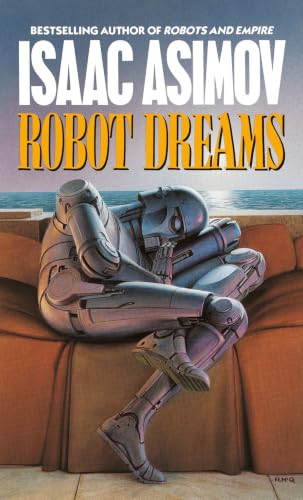
Robot Dreams by Isaac Asimov describes robotics through fiction in a collection of short stories.


Book links are Bookshop.org affiliate links. Curiate may earn a commission on purchases, at no extra cost to you — Bookshop.org also gives a share to independent bookshops.
Reading paths, built to arrive somewhere
Curiate turns what you are curious about into a short path — a quick lesson on an article, something to watch, and a book to go deep on. Free to browse.