How photographic composition guides the eye
Photographic composition is the organization of an artwork, distinct from its subject, what is depicted. How does composition guide the viewer's eye, and what can you understand about its influence on viewing a photograph? The lessons consider how visual arrangement shapes attention and the way an image is experienced.
1 article, 1 video, 1 book · about 22 min of reading and viewing
The reading path
- Readphotographic composition · Wikipedia · 11 min read
In photographic composition, lines can direct attention towards the main subject or organize the picture by dividing it into compartments. In photographic composition, the rule of space can suggest movement or create a contextual bubble in the viewer's mind. For example, leave white space in the direction a person is looking or in front of a runner to indicate movement. Clutter in photographic composition can distract from the main elements and make the subject difficult to identify. Decreasing extraneous content makes viewers more likely to focus on the primary objects.
- WatchThe Ultimate Guide To Composition In Photography — Photography Visual Patterns #8 · YouTube · 11 min watch
The video covers photography composition, positioning, and layout, decoding how some basic compositional structures carry implied meanings and how to use them properly.
- BookThe Photographer's Eye · Bookshop.org
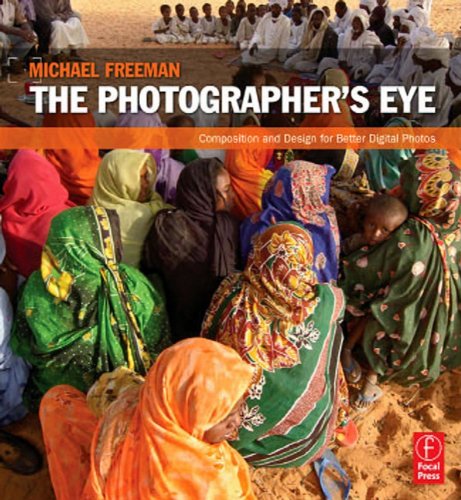
The Photographer's Eye by Michael Freeman argues that design is the single most important factor in creating a successful photograph, and explores traditional approaches to composition alongside shooting with later editing, manipulation, or montage in mind.


Book links are Bookshop.org affiliate links. Curiate may earn a commission on purchases, at no extra cost to you — Bookshop.org also gives a share to independent bookshops.
Reading paths, built to arrive somewhere
Curiate turns what you are curious about into a short path — a quick lesson on an article, something to watch, and a book to go deep on. Free to browse.