How classical music forms change over time
Classical music forms are the structures of musical compositions or performances, referring to a composition's largest shape. What can these structures help you understand about how musical forms change over time? The lessons consider how larger forms relate to their parts and how those relationships shift.
2 articles, 1 video, 1 book · about 38 min of reading and viewing
The reading path
- ReadAn Introduction to Symphonic Form · dbratman.net · 10 min read
Beethoven was the first composer to make one movement, a section of a symphony, run into the next, in both his 5th and his 6th (1808-09).
- Readclassical music forms · Wikipedia · 12 min read
Sonata-allegro form is typically cast in a greater ternary form, with exposition, development and recapitulation. The exposition and recapitulation may divide into themes or theme groups that are taken apart and recombined in the development. A symphony, generally considered to be one piece, usually divides into multiple movements, and an individual movement can often stand on its own as a self-contained piece. The individual pieces that make up the larger form may be called movements.
- WatchMusic Theory | Theme and Variation - Musical Form Part 1 · YouTube · 16 min watch
In theme and variation, a musical form, variations follow a theme. The technique appears in Classical Period music and in jazz.
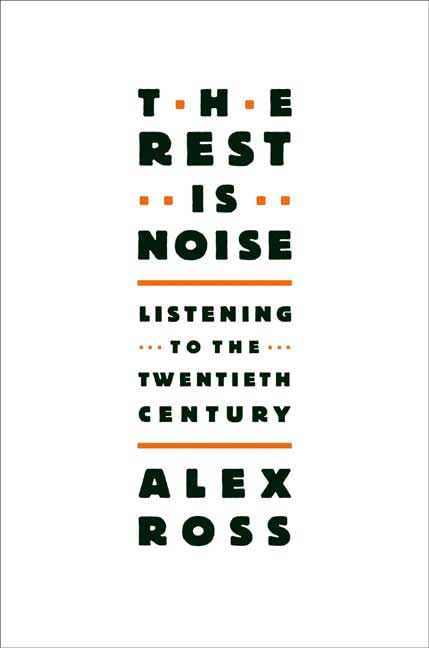
- BookThe Rest Is Noise: Listening to the Twentieth Century · Bookshop.org
The Rest Is Noise by Alex Ross weaves together the histories of twentieth-century music and its wider culture, tracing music from Vienna before the First World War to the present. Ross draws connections between influential composers and the culture around them, placing classical music forms in their historical setting.

Book links are Bookshop.org affiliate links. Curiate may earn a commission on purchases, at no extra cost to you — Bookshop.org also gives a share to independent bookshops.
Reading paths, built to arrive somewhere
Curiate turns what you are curious about into a short path — a quick lesson on an article, something to watch, and a book to go deep on. Free to browse.