How improvisation becomes spontaneous composition
Improvisation in music is making music in the moment, combining performance with emotional communication and spontaneous responses to other musicians. These lessons answer how spontaneous composition works and how musicians can prepare for it. They trace how musical structures and frameworks support creative expression.
2 articles, 1 book · about 40 min of reading and viewing
The reading path
- Readthe role of improvisation in music · Wikipedia · 24 min read
In music, the basso continuo accompaniment was mainly improvised, with the composer usually providing no more than a harmonic sketch called the figured bass. This improvisation process was called realization. In bluegrass, short improvised solos called "breaks" are performed during specific sections of a tune. A break might come at the end of each chorus, with a different musician performing each break. A raga gives improvisation a framework: it has a scale, a typical order for notes in melodies, and characteristic musical motifs. By emphasizing certain scale degrees and moving between notes in characteristic ways, performers create a mood unique to that raga.
- ReadApproaches to Improvisation · furious.com · 16 min read
Improvisation can be prepared for without being planned: the improviser prepares for the spontaneous act through various methods, while composition is a planned act.
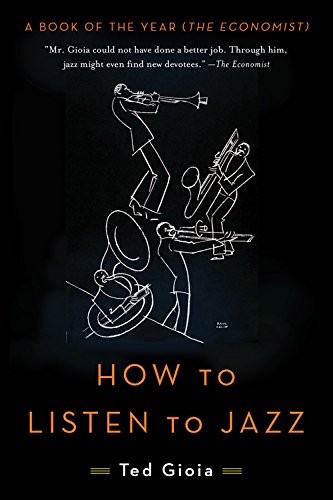
- BookHow to Listen to Jazz · Bookshop.org
How to Listen to Jazz by Ted Gioia discusses the basic building blocks of improvisation and what to listen for in a jazz performance. Gioia also shares listening strategies for understanding and appreciating jazz.
Book links are Bookshop.org affiliate links. Curiate may earn a commission on purchases, at no extra cost to you — Bookshop.org also gives a share to independent bookshops.
Reading paths, built to arrive somewhere
Curiate turns what you are curious about into a short path — a quick lesson on an article, something to watch, and a book to go deep on. Free to browse.