How fashion ideals shape body image
Fashion and body image concerns how people view themselves and their appearances, shaped by social and cultural ideals. What can help us understand how fashion ideals shape body image? The lessons consider how social comparisons, peers, media, and consumer culture influence the way people feel about their bodies.
3 articles, 1 video, 1 book
The reading path
- Readfashion and body image · Wikipedia · 47 min read
A systematic review of 43 experimental studies involving 8,637 participants found that viewing idealized images on social networking sites was associated with increased body dissatisfaction among young adults. The review identified appearance comparison, comparing one's appearance with others', as an important factor in this relationship. Men's male peers, including like-minded individuals or potentially people they admire who are around the same age, have the greatest impact on men's criticism of their bodies, compared with romantic partners, female peers, or male relatives. Media depictions idealizing a muscular physique have led to body dissatisfaction among young men, linking appearance ideals to body image. Fashion and body image research tested white, black and Asian students by showing them photographs of conventionally attractive white, black and Asian women. Asian and white women reported similar levels of body dissatisfaction, while black women were less dissatisfied with their appearances.
- Read"how the fashion industry affects the bodies of young women" · i-d.co
The fashion and beauty industry tells women that their bodies, the crucial commodity in their lives, are deficient and need attention, while depending financially on creating further body insecurity. In a consumer society that uses women's bodies to sell products and presents them as the ultimate commodity, this creates body image problems.
- Read"Body Image Issues: The Teen Male Edition [ Infographic ] " · rawhide.org · 9 min read
1 in 3 teen males say social media makes them feel more self-conscious about their appearance. People typically display only the highlights of their lives and their best photos, creating a sense of the perfect appearance and life that can make others feel inferior about their own appearance and life, linking social media ideals to male body image.
- WatchBody image and male identity | DW Documentary · YouTube · 42 min watch
For almost a year, filmmakers follow five young men as they make their way from their childhood bedrooms onto social media and into the gym, documenting their journeys around body image and male identity.
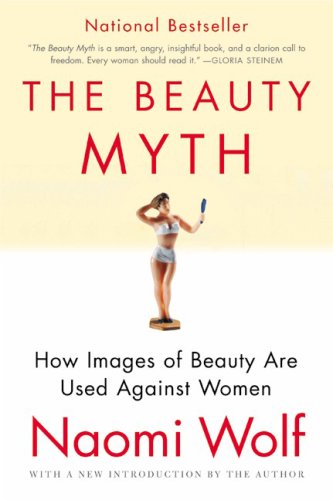
- BookThe Beauty Myth · Bookshop.org
The Beauty Myth by Naomi Wolf argues that appearance preoccupation compromises women's ability to be effective in and accepted by society, and that the myth operates in work, religion, sex, violence, and hunger. Wolf writes that women should be free to choose what to do with their faces and bodies without appearance-based punishment.



Book links are Bookshop.org affiliate links. Curiate may earn a commission on purchases, at no extra cost to you — Bookshop.org also gives a share to independent bookshops.
Reading paths, built to arrive somewhere
Curiate turns what you are curious about into a short path — a quick lesson on an article, something to watch, and a book to go deep on. Free to browse.