Fast fashion's costs in the ethics of fashion production
The ethics of fashion production concerns the fashion industry's significant environmental impacts and efforts by some retailers and consumers to promote sustainable practices.
2 articles, 1 book · about 36 min of reading and viewing
The reading path
- Readthe ethics of fashion production · Wikipedia · 26 min read
On the ethics of fashion production, the fashion industry incorporates dangerous goods into fabrics to preserve and increase the durability of clothes. These include dyes containing heavy metals, lead, phthalates, PFAS, antimicrobial agents that promote bacterial resistance, and synthetic fibers that release microplastics and contain endocrine disruptors and carcinogens, and can cause skin irritation. Slow fashion opposes fast fashion by focusing on sustainable clothing made with eco-friendly materials. It also challenges fast fashion's ethical issues, including underpaying and overworking factory workers, who often come from low-income countries. Fashion emitted almost 2% of world total greenhouse gases in 2023, contributing to climate change through energy-intensive production. The BBC "More or Less" investigation in 2022 said the best study at that time was the 2021 WRI report, which gave 2%.
- ReadThe Ethics of Sweatshops in Fashion Industry - MBA Knowledge Base · MBA Knowledge Base · 10 min read
Fast-fashion brands such as Zara and Mango outsource production to low-cost providers in Asia to remain price-competitive through access to low wages and economies of scale. Because one contractor cannot satisfy demand, several specialized contractors share the work.
- BookFashionopolis: The Price of Fast Fashion and the Future of Clothes · Bookshop.org
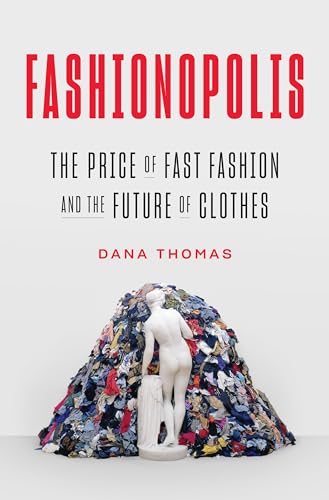
Fashionopolis by Dana Thomas explores the environmental and social costs of the fast fashion industry and offers a vision for a more sustainable future.


Book links are Bookshop.org affiliate links. Curiate may earn a commission on purchases, at no extra cost to you — Bookshop.org also gives a share to independent bookshops.
Reading paths, built to arrive somewhere
Curiate turns what you are curious about into a short path — a quick lesson on an article, something to watch, and a book to go deep on. Free to browse.