Why fashion and sustainability practices face fast fashion's costs
Fashion and sustainability practices are efforts in the fashion industry to reduce environmental impacts, protect garment workers and uphold animal welfare. The lessons answer how fast fashion's growth is connected to its environmental and human costs. They build an understanding of the pressures shaping production, consumption and disposal.
2 articles, 1 video, 1 book · about 55 min of reading and viewing
The reading path
- ReadFast Fashion Fills Our Landfills - JSTOR Daily · JSTOR Daily · 6 min read
In fashion, H&M's low-cost clothes, women's T-shirts for $5.99 and boys' jeans for $9.99, are one reason the apparel industry is growing so fast and drawing fire from environmental activists. Despite retailers' and nonprofits' efforts to collect old clothes, the overwhelming majority of items eventually wind up in landfills, at least in the US. Fashion manufacturing requires vast amounts of water, energy, and chemicals: the Natural Resources Defense Council says making a ton of fabric can take up to 200 tons of water. Where environmental regulation is lax, chemicals are routinely discharged into rivers and streams without treatment.
- Readfashion and sustainability practices · Wikipedia · 43 min read
With the fast fashion trend, garments tend to be used half as much as 15 years ago. It has been estimated that consumers discard clothing items prematurely, often only after being worn 7-10 times, discarding still wearable clothes at a global cost of $460 billion. Research on fashion supply chains finds that low wages, unsafe working conditions, and limited labor protections are closely linked to the structure of global production networks. Cost pressures, power imbalances between brands and suppliers, and a lack of transparency often constrain suppliers' ability to improve labor standards.
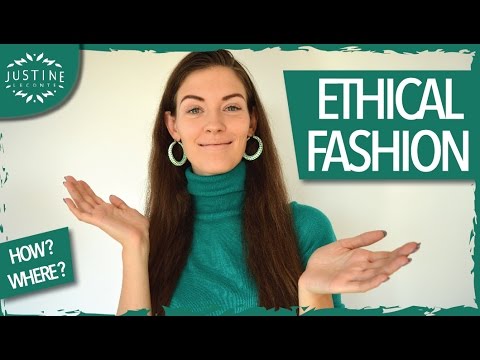
- WatchSustainable fashion: how to shop sustainably | Justine Leconte · YouTube · 6 min watch
Justine Leconte explains how to assess whether fashion brands are ethical and sustainable, including checking transparency, scandals, certifications, and research resources.
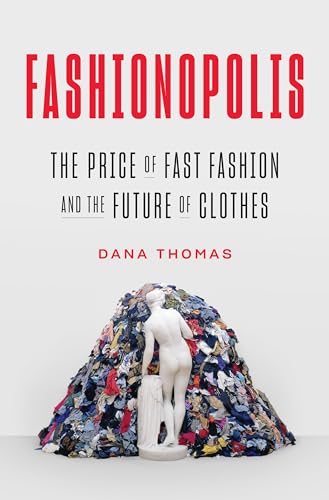
- BookFashionopolis: The Price of Fast Fashion and the Future of Clothes · Bookshop.org
Fashionopolis by Dana Thomas explores the environmental and social costs of the fast fashion industry and describes a vision for a more sustainable future.


Book links are Bookshop.org affiliate links. Curiate may earn a commission on purchases, at no extra cost to you — Bookshop.org also gives a share to independent bookshops.
Reading paths, built to arrive somewhere
Curiate turns what you are curious about into a short path — a quick lesson on an article, something to watch, and a book to go deep on. Free to browse.