Architectural photography and lived experiences of buildings
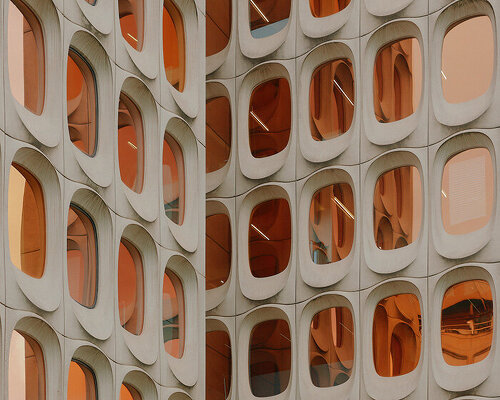
Architectural photography is the subgenre of photography focused on capturing aesthetically pleasing and accurate photographs of buildings and similar architectural structures. How do photographs help us understand buildings as lived experiences? By the end, readers will understand how documentation, surroundings, time, and physical presence shape what architectural photographs can reveal and what they cannot.
3 articles, 1 book
The reading path
- Readarchitectural photography · Wikipedia
In 1851, the French Commission des Monuments Historiques sent five photographers to record historic buildings so it could judge their need for preservation and restoration; the commission never published the 258 photographs. Julius Shulman spent some seventy years documenting modern architecture in and around Los Angeles, photographing most of the houses of the Case Study House program. Flowers, trees, fountains or statues in the foreground can lead the eye toward a building, while landscaping can help communicate its aesthetic harmony with its environment. Aerial photography adds another way to experience a structure: it can show property boundaries and place the building in the context of surrounding scenery.
- Readarchitectural photography as an experience of space – david altrath · Designboom
At the Barbican in London, spending time shifts attention from the concrete to vegetation, water, people, light and small domestic details. The building becomes less like an image and more like a place, and, for the unnamed first-person narrator, photographing architecture often becomes interesting when a building stops being a single object and becomes a series of observations that might otherwise go unnoticed.
- ReadBuilding Sights - 1854 Photography · British Journal of Photography
Hélène Binet's photographs of Daniel Libeskind's Jewish Museum in Berlin cannot do justice to the feel of its underground spaces, which provide "one of the most remarkable architectural experiences you can have." The author says photography might help people "get" a building symbolically, as Walter Benjamin, a philosopher and cultural critic, observed, but "You can only really 'get' a building by being in it."
- BookThe Architecture of Happiness · Bookshop.org
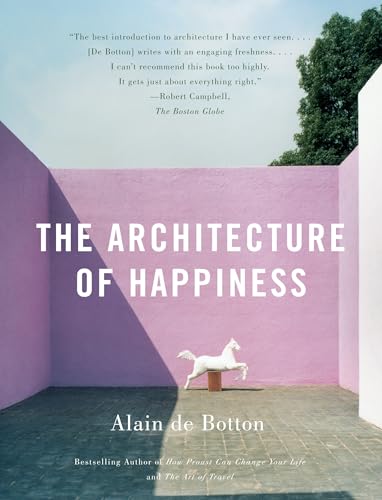
The Architecture of Happiness is a book by Alain de Botton which discusses the importance of beauty, published by Pantheon Books in 2006. De Botton, inspired by Stendhal's motto "beauty is the promise of happiness," analyzes human surroundings and how human needs and desires manifest their ideals in architecture.

Book links are Bookshop.org affiliate links. Curiate may earn a commission on purchases, at no extra cost to you — Bookshop.org also gives a share to independent bookshops.
Reading paths, built to arrive somewhere
Curiate turns what you are curious about into a short path — a quick lesson on an article, something to watch, and a book to go deep on. Free to browse.