Karl Blossfeldt's photographs and hidden plant forms
Karl Blossfeldt was a German photographer and sculptor best known for his close-up photographs of plants and living things, published in 1929 as Urformen der Kunst. How did his photographs make overlooked plant forms visible and useful to artists and students? By the end, readers will understand how photographic choices and close observation can reveal the artistic and structural qualities of plants.
2 articles, 1 book
The reading path
- ReadKarl Blossfeldt's close-up plant photographs and why they changed how artists see plants · Wikipedia
Karl Blossfeldt made reference photos for artists and students, so he used grey or white backgrounds to bring out plant patterns and symmetry. He also developed homemade camera lenses that magnified plants by thirty times, revealing intricate detail and reflecting his interest in nature's repeated forms. Blossfeldt's sharply focused, magnified photographs contrasted with the purposefully blurry images other photographers were producing, revealing geometric structures in plants. He rarely altered his natural subjects, valuing their scientific accuracy, and said, "The plant must be valued as a totally artistic and architectural structure." His interest in natural patterns connected to his training as a sculptor and work as an iron craftsman.
- ReadKarl Blossfeldt - Urformen der Kunst (Art Forms in Nature) - 1928 - Flashbak · Flashbak
Karl Blossfeldt, a German photographer, sculptor, teacher and artist, wrote that he probably had more than a thousand photographs, made by enlarging details students could not easily make out. He argued that wild plants held a "treasure trove of forms" overlooked because their scale failed to catch the eye, and that his photographs put those forms on a convenient scale and encouraged students to pay them more attention.
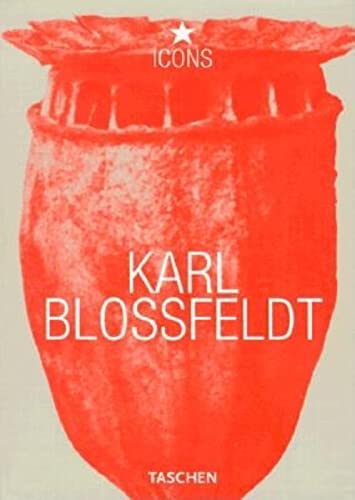
- BookKarl Blossfeldt · Bookshop.org
Karl Blossfeldt by Hans Christian Adam features highlights culled from the photo series title.


Book links are Bookshop.org affiliate links. Curiate may earn a commission on purchases, at no extra cost to you — Bookshop.org also gives a share to independent bookshops.
Reading paths, built to arrive somewhere
Curiate turns what you are curious about into a short path — a quick lesson on an article, something to watch, and a book to go deep on. Free to browse.