Film theory, film form, and viewers
Film theory is a set of scholarly approaches within film or cinema studies that provides conceptual frameworks for understanding film's relationship to reality, the other arts, individual viewers, and society at large. How do film form and methods of inquiry shape explanations of viewers' experience? By the end, readers will understand contrasting ways to explain how films work and how viewers make sense of them.
2 articles, 1 book
The reading path
- Read"Philosophy of Film" by Thomas Wartenberg – first published 2004; substantive revision m 2008. Stanford Encyclopedia of Philosophy · plato.stanford.edu
Hugo Münsterberg, a philosopher who wrote a monograph about the new art form, argued that flashbacks, close-ups, and edits distinguish film from theater. He saw these devices as objectifications of mental processes, with a close-up presenting a visual correlate to paying attention, but did not explain how viewers know they are objectified mental functions.
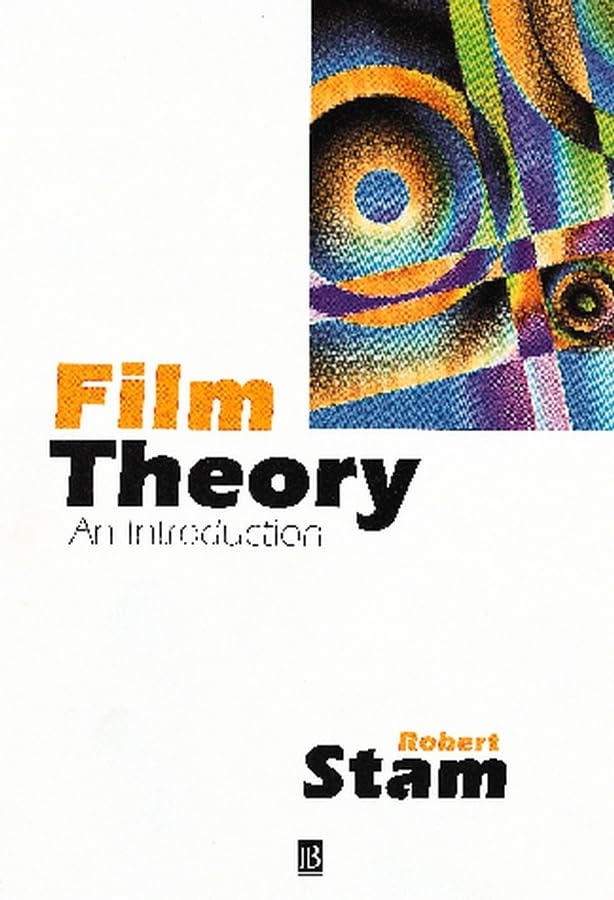
- BookFilm Theory: An Introduction · Bookshop.org
Cognitive film theorists model film study on scientific inquiry, using interpretations as evidence for broader theories or building small-scale explanations of films and viewers' experience. Their approach emphasizes viewers' conscious processing, unlike traditional film theory's emphasis on unconscious processes; critics argue that treating film study as natural science misunderstands it as a humanistic discipline.
- ReadPhilosophy of Film (Stanford Encyclopedia of Philosophy) · plato.stanford.edu
Film Theory by E. Ann Kaplan provides an overview of key film theories and describes how film analysis evolved and its cultural implications.
Book links are Bookshop.org affiliate links. Curiate may earn a commission on purchases, at no extra cost to you — Bookshop.org also gives a share to independent bookshops.
Reading paths, built to arrive somewhere
Curiate turns what you are curious about into a short path — a quick lesson on an article, something to watch, and a book to go deep on. Free to browse.