Hollywood's rise and the studio system
The film industry of the United States, primarily associated with major film studios collectively referred to as "Hollywood," has significantly influenced the global film industry since the early 20th century. How did Hollywood's rise reshape the making, distribution, and exhibition of films? By the end, readers will understand how studio practices, theater ownership, and changing ideas about film value shaped the industry.
3 articles, 1 book
The reading path
- Readthe early years of the film industry in hollywood · Wikipedia
Paramount Pictures was created via the 1916 merger of a nationwide distributor and two production companies, engineered by Adolph Zukor, a movie mogul who soon controlled the operation. The Big Five's theater chains included most of the nation's first-run theaters, while the Big Eight used block booking and blind bidding to force theater owners to take a studio's entire annual output sight unseen.
- BookThe Last Tycoon · Bookshop.org
Pittsburgh's nickelodeons multiplied rapidly: more than a hundred opened within two years, and one estimate has nearly two million Americans visiting one by 1907. Their demand for new programmes helped push the industry toward factory production, while the trust's fee structure treated film as a commodity sold by the foot. Features, stars and branded studios challenged that model by insisting that one foot of film was worth more than another.
- ReadStudio System | Encyclopedia.com · encyclopedia.com
The same creative teams often worked on films made by the same studio, and MGM claimed it had contracted "more stars than there are in heaven."
- ReadHow Hollywood Became the Film Capital — History 144 · History 144
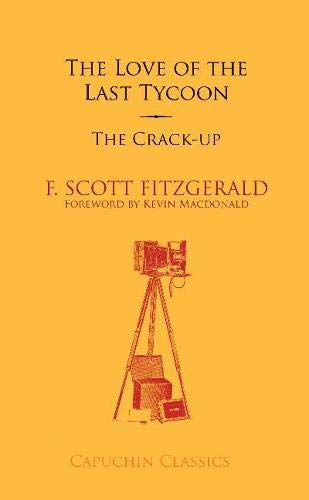
The Last Tycoon by F. Scott Fitzgerald traces studio manager Monroe Stahr, clearly based on Irving Thalberg, through his rise to power and conflicts with rival Pat Brady, based on MGM studio head Louis B. Mayer.


Book links are Bookshop.org affiliate links. Curiate may earn a commission on purchases, at no extra cost to you — Bookshop.org also gives a share to independent bookshops.
Reading paths, built to arrive somewhere
Curiate turns what you are curious about into a short path — a quick lesson on an article, something to watch, and a book to go deep on. Free to browse.