The sociology of race and Reconstruction's gains and backlash
The sociology of race and ethnic relations is the study of social, political, and economic relations between races and ethnicities at all levels of society. How did Reconstruction's gains and backlash shape racial relations? By the end, readers will understand how discrimination, education, political rights, and their reversals shape racial inequality.
2 articles, 1 book
The reading path
- Readthe sociology of race · Wikipedia
During Reconstruction, formerly enslaved people were freed, Black men gained voting rights, and as many as 2,000 Black people were elected to office. After federal troops left the South in 1877, a backlash brought segregation laws and voting restrictions; Mississippi had elected Blanche K. Bruce to a full U.S. Senate term during Reconstruction, a progress Cristina Tosto says she teaches alongside the struggle.
- ReadTeaching kids how battles about race from 150 years ago mirror today's conflicts · Hechinger Report
Matched Black and white job applicants with nearly identical resumes provide evidence of discrimination through differences in interview prospects. In Harvard University sociologist Devah Pager's study, Black men recently released from jail faced discrimination applying for service jobs, while white men with criminal records had about the same interview prospects as Black men without one; another audit found Black graduates of elite schools had about the same interview prospects as white graduates of state schools. W. E. B. Du Bois, an African American scholar and activist in the 20th century, described Black people as "a long historic development and not a transient occurrence," as part of research that challenged treating them as the cause of social problems. Du Bois believed Black Americans should use access to higher education to gain a higher position in society, an idea he called the Talented Tenth.
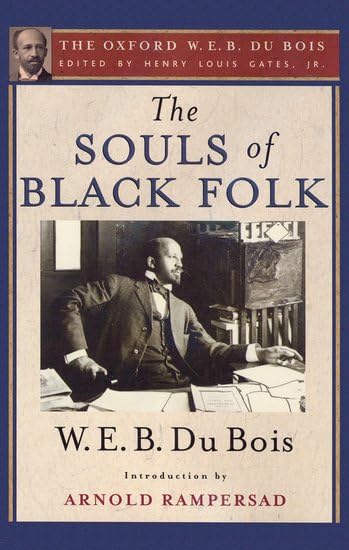
- BookThe Souls of Black Folk · Bookshop.org
Explore race and social conditions through Du Bois's essays on Reconstruction, voting, and the Freedmen's Bureau.


Book links are Bookshop.org affiliate links. Curiate may earn a commission on purchases, at no extra cost to you — Bookshop.org also gives a share to independent bookshops.
Reading paths, built to arrive somewhere
Curiate turns what you are curious about into a short path — a quick lesson on an article, something to watch, and a book to go deep on. Free to browse.