Sleep science, memory, and health
Sleep science is the subject of substantial ongoing research into sleep's diverse purposes and mechanisms. How does sleep support memory and health? By the end, readers will understand how sleep timing, sleep quality, and different sleep stages relate to learning and well-being.
2 articles, 1 book
The reading path
- Readsleep science · Wikipedia
Researchers taught infants a faux language and observed their recollection of its rules; infants who slept within four hours of learning the language could remember the rules better than infants who stayed awake longer. Children can greatly benefit from a structured bedtime routine, which will generally include rituals such as a story, bath, and toothbrushing, and a consistent time to be in bed. Short sleep duration of less than seven hours is correlated with coronary heart disease and increased risk of death from coronary heart disease, and sleep duration greater than nine hours is also correlated with coronary heart disease, stroke, and cardiovascular events. Low quality sleep has been linked with cardiovascular disease, obesity, and mental illness, while some research indicates poor sleep can contribute to cardiovascular disease. Even small amounts of light at night can suppress melatonin, raise body temperature and wakefulness, while brief light pulses at the right time can reset the internal clock. This clock helps set restorative sleep timing: it counters sleep drive during the day and boosts it at night, so people can struggle to stay asleep at the clock's peak or wake during its trough-even when sleepy.
- BookWhy We Sleep: Unlocking the Power of Sleep and Dreams · Bookshop.org
Stage 2 sleep spindles are short bursts of brain activity, and their density is linked to overnight memory improvement. Deep sleep also supports memory formation: after learning a new task, getting slow-wave sleep can improve later performance, while this stage is critical for clearing proteins linked to Alzheimer's disease.
- Read5 Stages of Sleep: Psychology, Cycle & Sequence · Simply Psychology
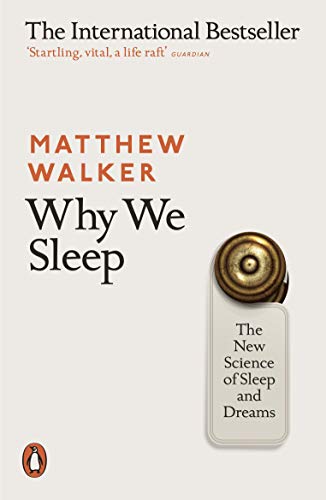
Why We Sleep by Matthew Walker examines sleep's importance, the effects of failing to sleep, and sleep's impact on society.


Book links are Bookshop.org affiliate links. Curiate may earn a commission on purchases, at no extra cost to you — Bookshop.org also gives a share to independent bookshops.
Reading paths, built to arrive somewhere
Curiate turns what you are curious about into a short path — a quick lesson on an article, something to watch, and a book to go deep on. Free to browse.