How wildlife conservation protects species and habitats
Wildlife conservation is the practice of protecting wild species and their habitats to maintain healthy wildlife populations and restore, protect, or enhance natural ecosystems. The lessons answer how protecting habitats, monitoring populations, and addressing conservation challenges can help readers understand efforts to protect wildlife. They connect practical approaches with broader questions about species, ecosystems, and protected areas.
3 articles, 1 video, 1 book · about 1 hr 24 min of reading and viewing
The reading path
- Readwildlife conservation · Wikipedia · 24 min read
In the early 1990s, the Florida panther population was 20 to 25 individuals. It had very low genetic diversity and was highly inbred, with genetic problems such as kinked tails, cardiac defects and low fertility.
- ReadWhat Does it Mean to Be on the Endangered Species List? - JSTOR Daily · JSTOR Daily · 2 min read
The IUCN Red List criteria are five measures used to assess species' conservation status. The Lord Howe Island Stick Insect, also called the Tree Lobster, is critically endangered; its entire wild population lives on one isolated Pacific outcrop.
- ReadPrioritising threatened species could help 'guide' expansion of EU protected areas - Carbon Brief · Carbon Brief · 8 min read
Researchers analyzed 127,046 terrestrial protected areas in the EU and found that they cover about 50% of the range of threatened species.
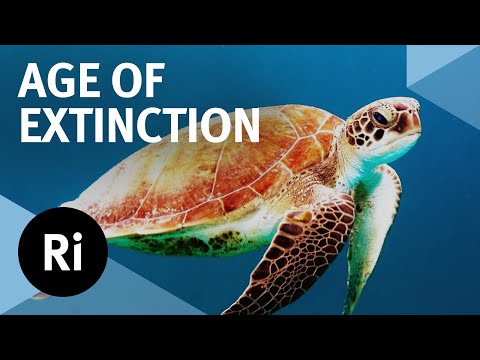
- WatchHow Climate Change Causes Biodiversity Loss and What We Can Do About It · YouTube · 50 min watch
Human-caused climate change threatens plants, animals and fungi, and protecting biodiversity can help both to mitigate climate change and to adapt to it. Keeping carbon locked in peat bogs and seagrasses slows global heating, and healthy ecosystems are more resilient to climate change.
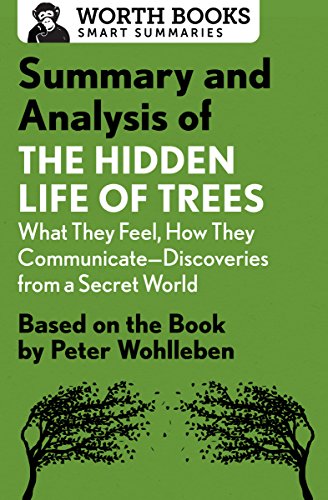
- BookThe Hidden Life of Trees: What They Feel, How They Communicate · Bookshop.org
The Hidden Life of Trees by Peter Wohlleben describes the interconnectedness of ecosystems and the complex social networks of trees.


Book links are Bookshop.org affiliate links. Curiate may earn a commission on purchases, at no extra cost to you — Bookshop.org also gives a share to independent bookshops.
Reading paths, built to arrive somewhere
Curiate turns what you are curious about into a short path — a quick lesson on an article, something to watch, and a book to go deep on. Free to browse.