Climate change and how greenhouse gases warm Earth
Climate change is the ongoing rise in global average temperature and its wider effects on Earth's climate system. Human activities, especially fossil fuel burning since the Industrial Revolution, drive today's warming; the lessons cover how climate change affects land, oceans, ice and the atmosphere.
2 articles, 1 book
The reading path
- Readclimate change · Wikipedia
Since the pre-industrial period, land regions have warmed almost twice as fast as the global average surface temperature because oceans lose heat through evaporation and store much of the climate system's extra energy. Over 90% of that extra energy has gone into the ocean, while Arctic surface temperatures are increasing between three and four times faster than in the rest of the world. Black carbon is soot from the combustion of fossil fuels and biomass. Black carbon in soot that falls on snow or ice can contribute to global warming and accelerate ice melt; limiting new black carbon deposits in the Arctic could reduce global warming by 0.2 °C by 2050. Decreasing sulfur content of ship fuel oil since 2020 is estimated to add 0.05 °C to global mean temperature by 2050.
- ReadNew study directly measures greenhouse effect at Earth's surface - Carbon Brief · Carbon Brief
Longwave energy is heat re-emitted by greenhouse gases toward Earth's surface, which causes warming. At two US sites, measurements found that rising carbon dioxide concentrations were responsible for emitting around 0.2 Watts per square metre (W/m2) per decade; Prof Richard Allan said, "The results of the study are not applicable globally, since two relatively dry locations are considered."
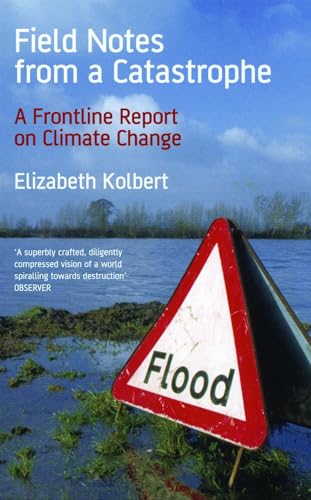
- BookField Notes from a Catastrophe: Man, Nature, and Climate Change · Bookshop.org
Field Notes from a Catastrophe: Man, Nature, and Climate Change by Elizabeth Kolbert documents scientific observations and political processes concerning the causes and effects of global climate change.

Book links are Bookshop.org affiliate links. Curiate may earn a commission on purchases, at no extra cost to you — Bookshop.org also gives a share to independent bookshops.
Reading paths, built to arrive somewhere
Curiate turns what you are curious about into a short path — a quick lesson on an article, something to watch, and a book to go deep on. Free to browse.