Gulf of Mexico oil spill damage and recovery
The impact of the oil spill in the Gulf of Mexico is regarded as one of the largest environmental disasters in world history. How did the spill affect coastal livelihoods, cleanup, and seafood choices? The lessons explain the economic and environmental consequences, the work of removing oil, and how recovery can differ across communities and concerns.
2 articles, 1 book
The reading path
- Readthe impact of the oil spill in the gulf of mexico · Wikipedia
Residents (n = 192) from 7 coastal parishes in southeast Louisiana were surveyed from 2012 −2015 about perceptions and behaviors before, during, and after the 2010 Deepwater Horizon oil spill. Self-reported local seafood consumption fell 50% during the spill and returned to pre-event reported levels by 2015, but negative seafood quality perceptions had not returned to generally positive pre-event levels; nearly 50% lacked information to make informed decisions about seafood safety.
- ReadLouisiana residents' self-reported lack of information following the Deepwater Horizon oil spill: Effects on seafood consumption and risk perception - PMC · pmc.ncbi.nlm.nih.gov
One study projects that lost or degraded commercial, recreational, and mariculture fisheries in the Gulf could be $8.7 billion by 2020, with a potential loss of 22,000 jobs over the same time frame. The U.S. Travel Association estimated that tourism losses across the Gulf Coast over three years could exceed approximately $23 billion, in a region with over 400,000 travel industry jobs. From April to mid-July 2010, 411 controlled in-situ fires remediated approximately 265,000 bbl (11.1 million US gal; 42,100 m3). It is calculated that about 5% of leaked oil was burned at the surface and 3% was skimmed; after the well was capped, shore cleanup became the main task, including sifting sand, removing tar balls and digging out tar mats on beaches, and using methods such as vacuum and pumping, low-pressure flush and bioremediation in marshes.
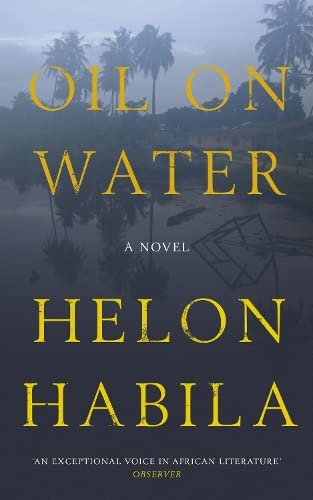
- BookOil on Water · Bookshop.org
Oil on Water by Helon Habila follows two journalists trying to rescue a kidnapped European wife in the oil landscape of the Niger Delta, documenting the ecological and political consequences of oil conflict and petrodollars there.

Book links are Bookshop.org affiliate links. Curiate may earn a commission on purchases, at no extra cost to you — Bookshop.org also gives a share to independent bookshops.
Reading paths, built to arrive somewhere
Curiate turns what you are curious about into a short path — a quick lesson on an article, something to watch, and a book to go deep on. Free to browse.