The Wilderness Act and legal protection
The Wilderness Act is a federal law signed in 1964 that protects designated wilderness areas from activities such as timber and mining. The path explores why wilderness needed legal protection, how boundaries and restrictions work, and how public support has helped protection grow.
2 articles, 1 book
The reading path
- ReadWilderness Act · Wikipedia
Congress sets a specific boundary in law for each wilderness area, and only Congress can alter its protection or boundary. This legal overlay protects selected public lands: watersheds, clean-water supplies, and wildlife habitats are protected, while logging and oil and gas drilling are prohibited. By the 50th anniversary in 2014, the Wilderness System encompassed over 109 million acres across 758 areas in 44 states. Its steady expansion has been largely due to the bipartisan support wilderness designations often receive, reflecting a shared value across the political spectrum-a reason legal protection has grown.
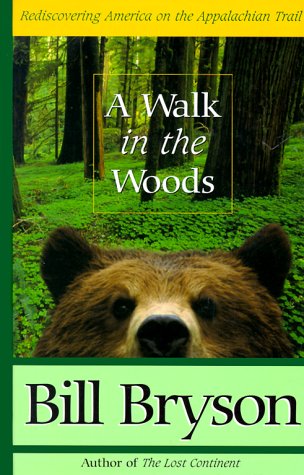
- BookA Walk in the Woods: Rediscovering America on the Appalachian Trail · Bookshop.org
MUSY, passed in 1960, required the National Forest Service to balance timber, recreation, grazing, watershed, and wildlife habitats, and stated that a national forest could not be set aside exclusively for one use. In response to continued wilderness depletion, Congress passed the Wilderness Act of 1964 after eight years of negotiations and 66 revisions; designated areas may not be used for timber, mining, grazing, or other activities that would harm their pristine condition.
- ReadWilderness Act of 1964 | Encyclopedia.com · encyclopedia.com
A Walk in the Woods by Bill Bryson chronicles his attempt to thru-hike the Appalachian Trail and discusses its history, ecology, conservation status, and people. Its focus on conservation and places along the Trail gives readers concrete context for considering wilderness.

Book links are Bookshop.org affiliate links. Curiate may earn a commission on purchases, at no extra cost to you — Bookshop.org also gives a share to independent bookshops.
Reading paths, built to arrive somewhere
Curiate turns what you are curious about into a short path — a quick lesson on an article, something to watch, and a book to go deep on. Free to browse.