Why setting personal boundaries matters in relationships
Setting personal boundaries is changing your own response to interpersonal situations, such as deciding not to see or engage with someone. What makes boundaries matter in relationships, and how can understanding them help you set clear expectations while respecting yourself and others? The lessons consider how boundaries shape relationships and what can make them difficult to establish.
2 articles, 1 book · about 24 min of reading and viewing
The reading path
- Readsetting personal boundaries · Wikipedia · 12 min read
Setting personal boundaries can be unilateral: one person decides to impose a standard on the relationship, regardless of whether others support it. Setting personal boundaries does not always require telling anyone what the boundary is or what the consequences are for transgressing it. Someone leaving an unwanted discussion may give an unrelated excuse, such as saying it is time to do something else, rather than saying the subject must not be mentioned. Unequal power in personal relationships, including abusive relationships, can make it difficult for individuals to mark boundaries.
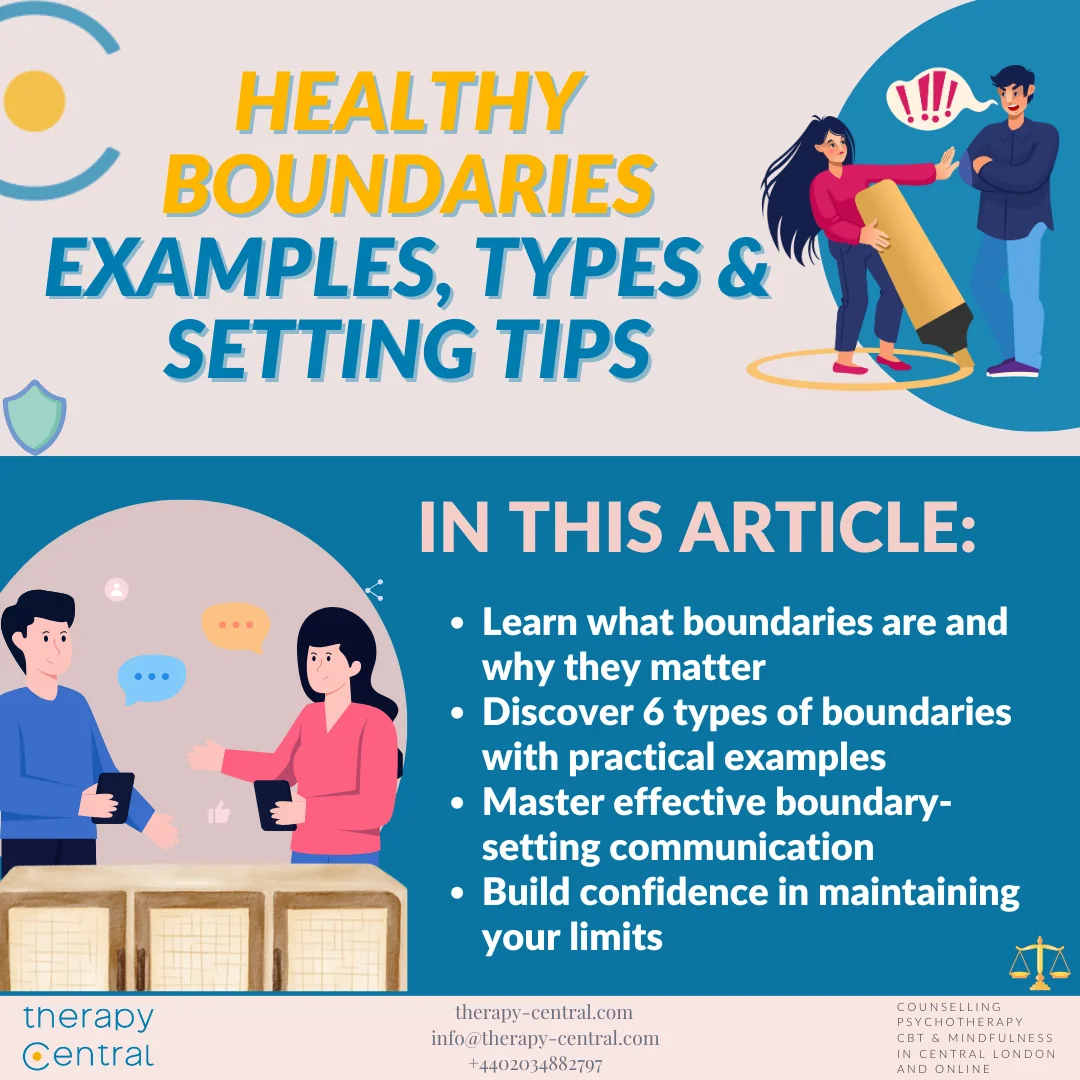
- ReadPersonal Boundaries: Examples & Tips · Therapy Central · 12 min read
Healthy boundaries create clear expectations that allow relationships to thrive. Although people are often taught to put others first and avoid confrontation, setting boundaries demonstrates respect for yourself and others.
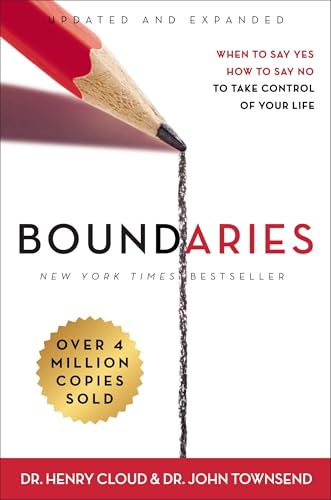
- BookBoundaries: When to Say Yes, How to Say No to Take Control of Your Life · Bookshop.org
Boundaries by Henry Cloud and John Townsend describes clear boundaries as essential to a healthy, balanced lifestyle.
Book links are Bookshop.org affiliate links. Curiate may earn a commission on purchases, at no extra cost to you — Bookshop.org also gives a share to independent bookshops.
Reading paths, built to arrive somewhere
Curiate turns what you are curious about into a short path — a quick lesson on an article, something to watch, and a book to go deep on. Free to browse.