How hobbyists used personal computer kits
The personal computing revolution in the 1970s was the advent of personal computers, computers designed for personal use; the term "home computer" was also used, primarily in the late 1970s and 1980s.
3 articles, 1 video, 1 book · about 57 min of reading and viewing
The reading path
- Readthe personal computing revolution in the 1970s · Wikipedia · 45 min read
By the mid-1970s, some personal computers built around a microprocessor, a tiny chip that processes instructions, started to be sold in kit form, in limited volumes and mostly for hobbyists and technicians. They could be programmed by entering instructions with toggle switches, with output shown by front panel lamps. Federico Faggin developed the silicon-gate MOS integrated circuit at Fairchild in 1968, then used that technology to develop the first single-chip microprocessor, the Intel 4004, in 1971. Widespread commercial availability of microprocessors from the mid-1970s onwards made computers cheap enough for small businesses and individuals to own. An Altair kit sold for only around US$400 in 1975, but required customers to solder components into circuit boards; peripherals for alphanumeric interaction instead of blinking lights would add another $2,000, and the resulting system was of use only to hobbyists.
- ReadSteve Wozniak's Apple I Booted Up a Tech Revolution · Smithsonian Magazine · 4 min read
Wozniak designed the Apple so it could plug into any home TV. It could use nearly any computer keyboard.
- ReadThe Homebrew Computer Club - CHM Revolution · computerhistory.org · 3 min read
Steve Jobs and Steve Wozniak's Apple I, part of the personal computing revolution in the 1970s, was demonstrated to their soul mates at the Homebrew Computer Club rather than announced to the media.
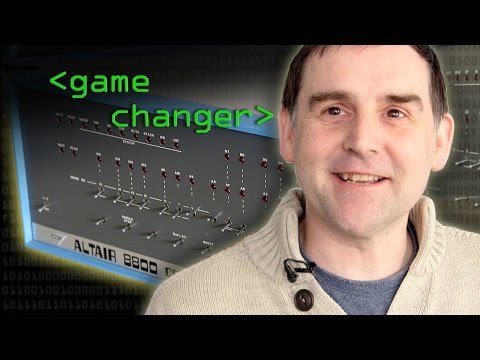
- WatchThe Computer That Changed Everything (Altair 8800) - Computerphile · YouTube · 5 min watch
The Altair 8800 is arguably the first personal computer and inspired Steve Jobs and Bill Gates, according to the video description. Jason Fitzpatrick from the Centre for Computing History explains.
- BookHackers: Heroes of the Computer Revolution · Bookshop.org
Hackers by Steven Levy describes how wireheads hooked on tweaking endless lines of code were seen as marginal outsiders, and how "the hacker ethic" is alive and well in the Internet age.



Book links are Bookshop.org affiliate links. Curiate may earn a commission on purchases, at no extra cost to you — Bookshop.org also gives a share to independent bookshops.
Reading paths, built to arrive somewhere
Curiate turns what you are curious about into a short path — a quick lesson on an article, something to watch, and a book to go deep on. Free to browse.