Canada called residential schools cultural genocide
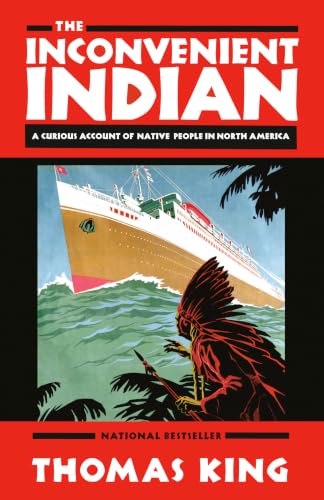
Survivors of Canada's residential school system reported abuse that caused long lasting trauma, and the last school did not close until 1996. How did the placement of Indigenous children in these schools, away from their families and languages, shape Indigenous identity and culture? The Inconvenient Indian by Thomas King is a critical and personal meditation on what it means to be "Indian" in North America, weaving the circular tale of the relationship between non-Natives and Natives since their first encounter.
2 articles, 1 book
The reading path
- BookThe Inconvenient Indian: A Curious Account of Native People in North America · Bookshop.org
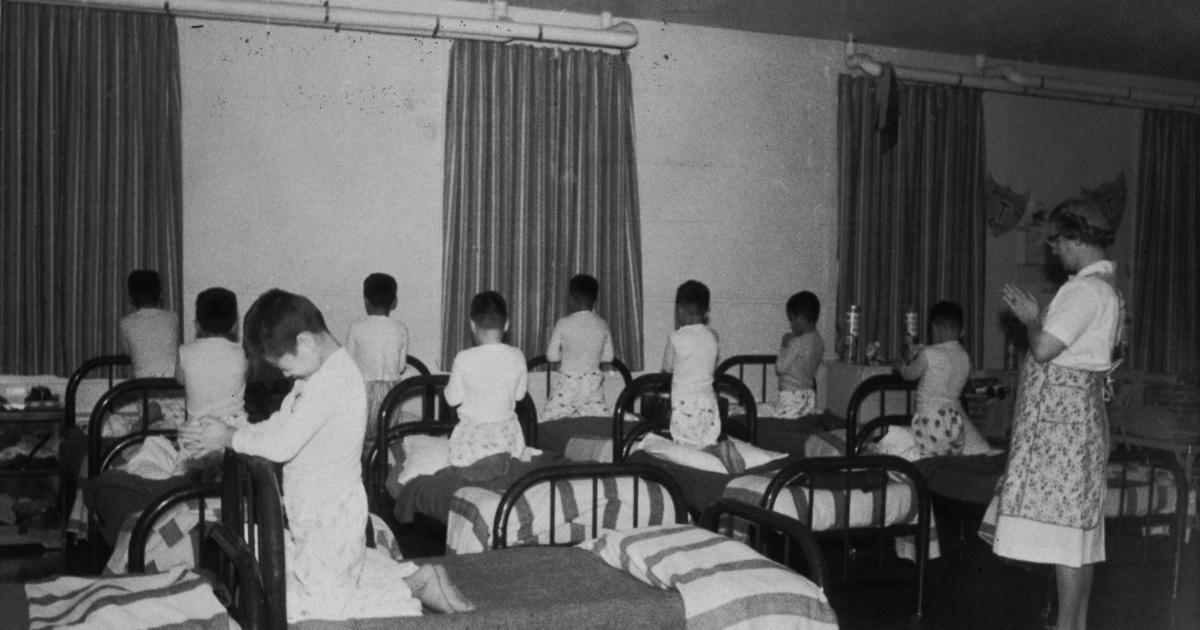
Many residential schools did not allow contact between Indigenous children and their families. The Government of Canada used the schools to remove children from the influence of their families and communities, language, culture and beliefs, and to assimilate them into European culture. In 2015, the Truth and Reconciliation Commission released its final report, concluding that Canada committed cultural genocide by attempting to destroy structures and practices that identified Indigenous people as a group. Its finding shows how residential schools attacked the foundations of Indigenous culture.
- ReadCanada's Indian residential schools: Childhood denied · Canadian Museum for Human Rights
Survivors of the residential school system reported abuse that caused long-lasting trauma, affecting Indigenous communities' social, cultural, and economic well-being. The system persisted until the last school closed in 1996.
- ReadCanadian Indian Residential School System · EBSCO Research Starters
The Inconvenient Indian by Thomas King is a critical and personal meditation on what it means to be "Indian" in North America, weaving the circular tale of the relationship between non-Natives and Natives since their first encounter.
Book links are Bookshop.org affiliate links. Curiate may earn a commission on purchases, at no extra cost to you — Bookshop.org also gives a share to independent bookshops.
Reading paths, built to arrive somewhere
Curiate turns what you are curious about into a short path — a quick lesson on an article, something to watch, and a book to go deep on. Free to browse.