Indigenous peoples under colonial violence
The life of the indigenous peoples during colonization involved a precipitous population decline after European colonization of the Americas from 1492, caused by wars, ethnic cleansing, enslavement, and newly introduced diseases. European settlers also waged war and perpetrated massacres against Native American peoples, removed them from their ancestral lands, and subjected them to one-sided government treaties and discriminatory government policies.
2 articles, 1 book · about 1 hr 37 min of reading and viewing
The reading path
- Readthe life of the indigenous peoples during colonization · Wikipedia · 60+ min read
For Cherokee language preservation amid the effects of colonization, the Cherokee Nation initiated a 10-year plan to raise fluent speakers from childhood through school immersion programs and community use at home. The plan aimed for 80% or more of the Cherokee to be fluent in 50 years. Settler colonialism displaced and sought to exterminate Native American peoples, and sexual violence was commonly used to perpetuate it. Colonization and colonizers perpetuated continued sexual violence against Native women. The Karuk tribe in Klamath, California are one of many victims of colonial ecological violence: fires were a major way of life, used to correct travel routes and optimize hunting. In 1905, the Klamath National Forest was established, preventing fires on Karuk land.
- ReadHow Aztecs Reacted to Colonial Epidemics - JSTOR Daily · JSTOR Daily · 7 min read
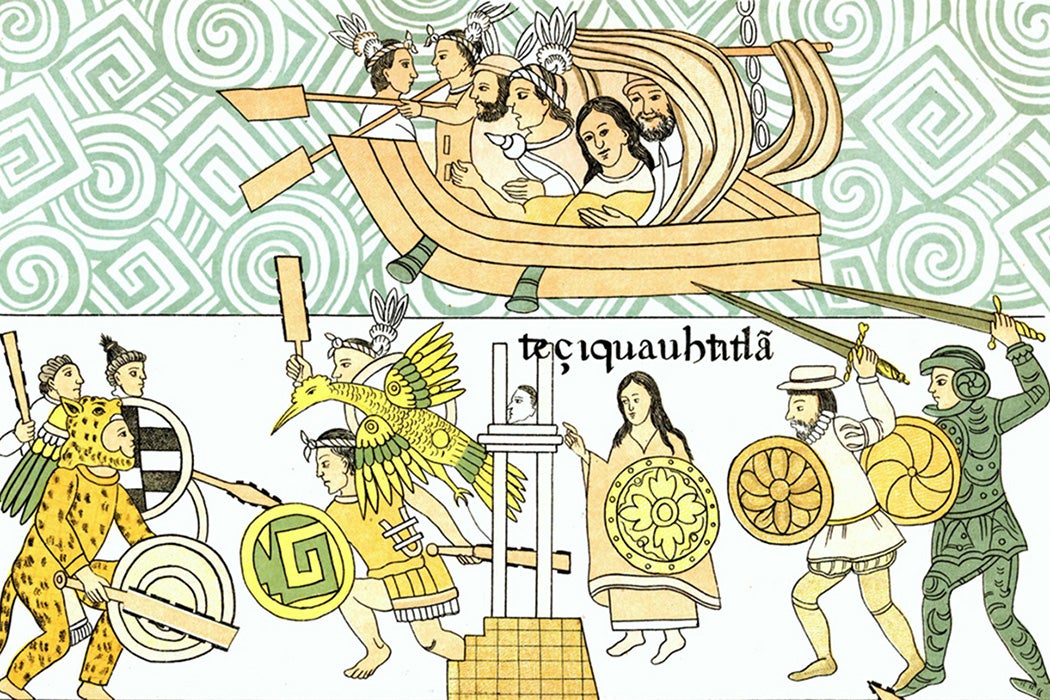
The descendants of the Aztecs did not give up despite harsh conditions, as has long been claimed in traditional scholarship. Historian Camilla Townsend argues that demographic collapse lent urgency to major native historians' projects, linking colonial devastation to Indigenous survival.
- BookBury My Heart at Wounded Knee · Bookshop.org
Bury My Heart at Wounded Knee by Dee Brown describes the colonization of the American West in the second half of the 1800s, when tribes resisted strongly but were eventually forced to yield to superior force.


Book links are Bookshop.org affiliate links. Curiate may earn a commission on purchases, at no extra cost to you — Bookshop.org also gives a share to independent bookshops.
Reading paths, built to arrive somewhere
Curiate turns what you are curious about into a short path — a quick lesson on an article, something to watch, and a book to go deep on. Free to browse.