Indigenous cultures, land rights and sovereignty
Indigenous cultures are associated with Indigenous peoples, marked by cultural differences from other groups in a state and a special relationship with traditional territory, though there is no generally accepted definition. These lessons help readers understand how Indigenous rights, land, and sovereignty relate to one another. They consider the themes of collective rights, stewardship, colonial law, and cultural practice.
2 articles, 1 video, 1 book
The reading path
- Readindigenous cultures · Wikipedia · 60+ min read
Since the late 20th century, some African peoples have sought recognition of their rights as distinct Indigenous peoples in national and international contexts. These communities often face conflict over traditional practices and land claims with governments, companies and surrounding dominant societies. Discovery doctrine is the idea that European powers could claim lands inhabited by Indigenous peoples through discovery and assert rights over their land and sovereignty. In 1823, the United States adopted a version of this doctrine as law in the US Supreme Court case Johnson v. McIntosh.
- Read7 New York Exhibitions That Embody Indigenous Survivance · Hyperallergic
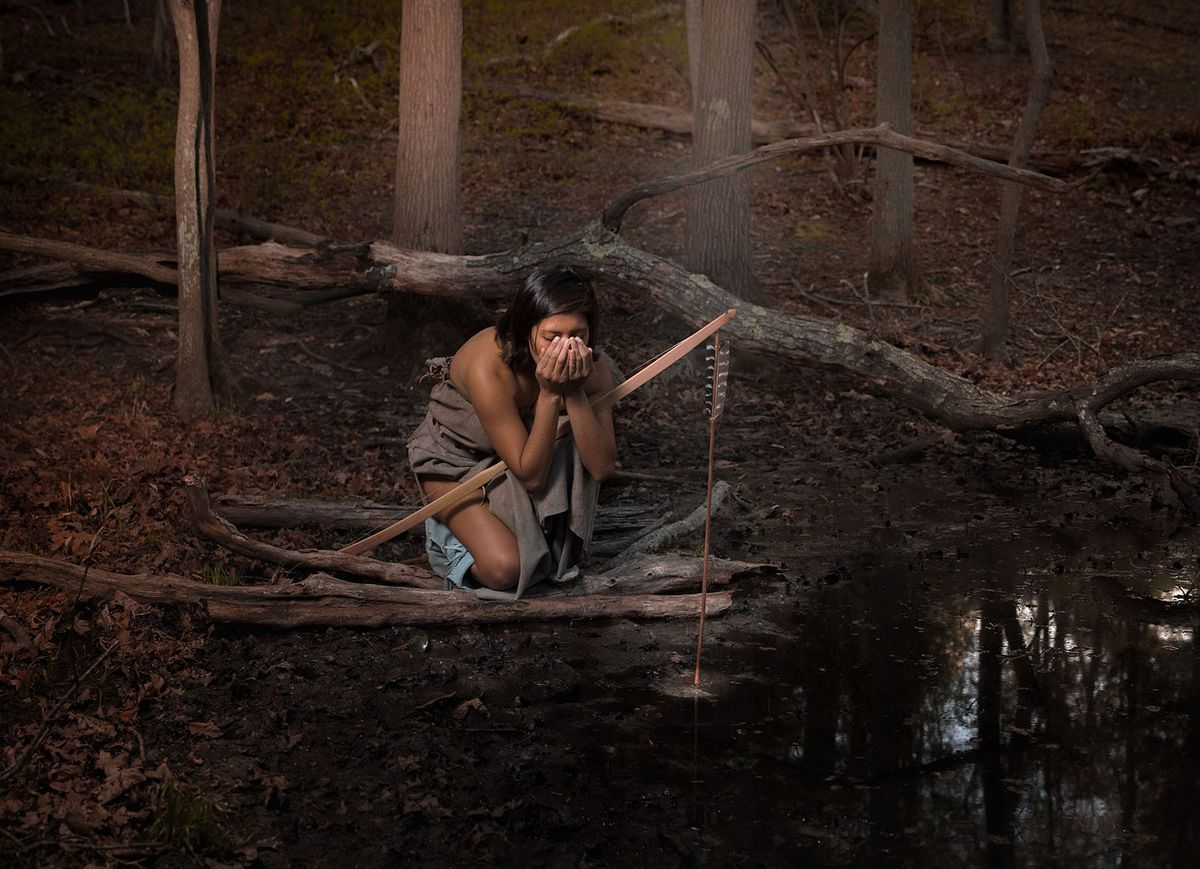
Chitimacha/Choctaw artist Sarah Sense weaves photographs of significant landscapes printed on rice and bamboo paper with colonial documents about Native land dispossession, including maps and treaties. She manipulates these settler-driven documents, reuniting historic Indigenous art and stewardship practices with the environments integral to their formations.
- WatchTaiwan's Indigenous Peoples, Briefly Explained · YouTube · 11 min watch
Taiwan's Indigenous peoples were the island's first inhabitants, and they had early conflicts with Han Chinese settlers. Han Chinese settlement began about 400 years ago.
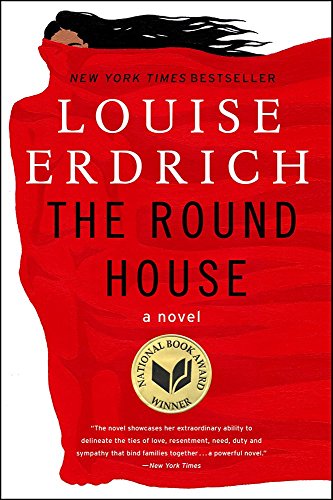
- BookThe Round House · Bookshop.org
The Round House by Louise Erdrich tells of a boy seeking justice and understanding after a terrible crime transforms his family.


Book links are Bookshop.org affiliate links. Curiate may earn a commission on purchases, at no extra cost to you — Bookshop.org also gives a share to independent bookshops.
Reading paths, built to arrive somewhere
Curiate turns what you are curious about into a short path — a quick lesson on an article, something to watch, and a book to go deep on. Free to browse.