How racial discrimination shaped environmental activism
The legacy of the civil rights movement on environmental activism traces environmental injustices across millennia of unrecorded history. The environmental justice movement's origins can be traced to the Indigenous Environmental Movement, in which Indigenous populations have fought displacement and assimilation for sovereignty and land rights for hundreds of years.
2 articles, 1 video, 1 book
The reading path
- Read"A Movement Is Born: Environmental Justice and the UCC" · ucc.org
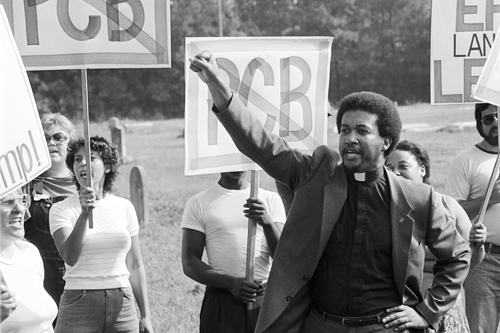
The civil rights movement's legacy on environmental activism included the UCC's Commission for Racial Justice report Toxic Wastes and Race in the United States, authored by Charles Lee. The 1987 study found that race rose to the top among variables associated with the location of a toxic waste facility.
- Readthe legacy of the civil rights movement on environmental activism · Wikipedia · 60+ min read
The First National People of Color Environmental Leadership Summit in 1991, held in Washington, DC, made environmental justice an international subject. The summit broadened the movement beyond its anti-toxins focus to include public health, worker safety, land use, transportation, housing, resource allocation, and community empowerment, addressing environmental injustice affecting communities of color. Redlining is a housing practice that, along with segregation, confined many communities of color to areas with fewer parks, more environmental issues, and less access to outdoor spaces. These inequalities were further enforced by housing policy decisions during the early 20th century, and many minority groups are still facing persistent barriers to equal access to green spaces.
- WatchKari Fulton Illustrates the Environmental Justice Issue | Big Think · YouTube · 2 min watch
Kari Fulton, the National Campus Campaign Coordinator for the Environmental Justice and Climate Change Initiative, uses case studies connected to students' interests to show how environmental justice impacts them. Fulton works to support and mobilize diverse youth and organizations by building awareness of the connection between environmental and social justice issues.
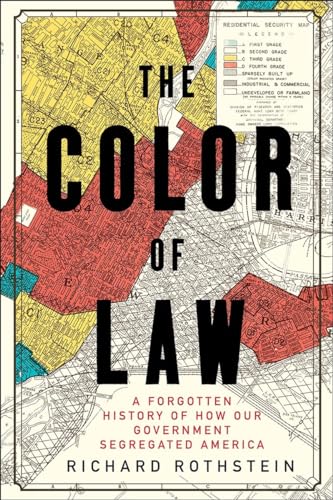
- BookThe Color of Law: A Forgotten History of How Our Government Segregated America · Bookshop.org
The Color of Law by Richard Rothstein describes how government policies systematically imposed residential segregation, including through public housing, subsidies for whites-only suburbs, and support for violent resistance.

Book links are Bookshop.org affiliate links. Curiate may earn a commission on purchases, at no extra cost to you — Bookshop.org also gives a share to independent bookshops.
Reading paths, built to arrive somewhere
Curiate turns what you are curious about into a short path — a quick lesson on an article, something to watch, and a book to go deep on. Free to browse.