How environmental activism navigates tactical dilemmas
Environmental activism is a social movement that aims to protect the natural world from harmful practices and create sustainable living, recognizing people as part of ecosystems and centering ecology, health, and human rights. What tactics can activists use, and what dilemmas do those tactics raise? The lessons trace how protest strategies move across places and contexts, and consider their limits and consequences.
2 articles, 1 book · about 36 min of reading and viewing
The reading path
- Readenvironmental activism · Wikipedia · 31 min read
Environmental activism can use tree sitting: a protester sits in a tree to stop its removal or impede demolition of an area. Julia Butterfly Hill spent 738 days in a California Redwood, saving a three-acre tract of forest. Environmental movements in Taiwan and South Korea used militant protest, and people learned that protesting can bring results. They forced governments to adopt new restrictive rules on toxins, industrial waste, and air pollution, but the regulations caused polluting industries to migrate to China and other countries in Southeast Asia with more relaxed environmental laws. Western environmental activists have been criticized for performative activism, eco-colonialism, and enacting white savior tropes, especially celebrities who promote conservation in developing countries.
- ReadBook Review · opus.lib.uts.edu.au · 5 min read
Environmental activism's blockading tactics have been tried in different locations and social as well as geographic environments. A tight chronological focus shows how these tactics moved from one battle to another and sometimes across international borders.
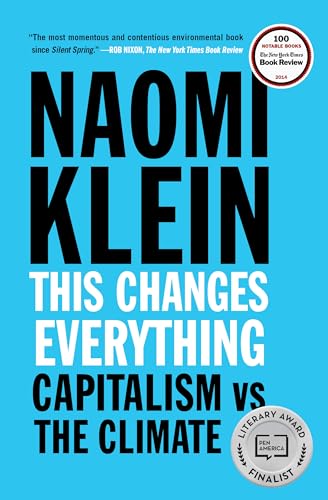
- BookThis Changes Everything: Capitalism vs. The Climate · Bookshop.org
This Changes Everything: Capitalism vs. the Climate is Naomi Klein's fourth book; it was published in 2014 by Simon & Schuster. Klein argues that the climate crisis cannot be addressed in the current era of neoliberal market fundamentalism, which encourages profligate consumption and has resulted in mega-mergers and trade agreements hostile to the health of the environment.

Book links are Bookshop.org affiliate links. Curiate may earn a commission on purchases, at no extra cost to you — Bookshop.org also gives a share to independent bookshops.
Reading paths, built to arrive somewhere
Curiate turns what you are curious about into a short path — a quick lesson on an article, something to watch, and a book to go deep on. Free to browse.