Underground comix and alternative comics publishing
The underground comic scene consisted of small press or self-published comic books, often socially relevant or satirical, that depicted content forbidden to mainstream publications by the Comics Code Authority. How did underground comix emerge and challenge established publishing? By the end, readers will understand the scene's influences and how its creators changed comics' artistic, social, and economic conventions.
2 articles, 1 book
The reading path
- Readthe underground comic scene in the 1960s · Wikipedia
In February 1968, San Francisco cartoonist Robert Crumb published his first solo comic, Zap Comix, which was financially successful and almost single-handedly developed a market for underground comix, helping reshape comics publishing. The San Francisco Bay Area was an epicenter of the movement, and major underground publishers were based there. Counterfeit comic books featuring unauthorized depictions of popular comic strip characters engaging in sexual activities are often considered predecessors of underground comix. The scene also drew on 1950s EC Comics and Harvey Kurtzman's magazines: Help!, published from 1960 to 1965, featured R. Crumb and Gilbert Shelton before they became well known in the underground comix scene.
- ReadComix Object Labels Sect and Intro Panels ALL.doc · asset.library.wisc.edu
Underground cartoonists retained ownership of their original art, automatically held copyrights, received royalties, and built an alternative distribution system, challenging publishing economics as well as artistic and social conventions. The Underground Press Syndicate, formed in 1967, let member papers freely reprint content, while R. Crumb's Zap gave his work national prominence; Crumb and his first wife, Dana, sold it from a baby carriage they pushed through the neighborhood.
- BookComix: A History of Comic Books in America · Bookshop.org
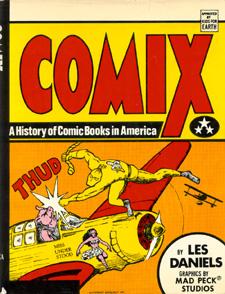
Comix by Les Daniels describes the evolution of comic books through a narrative-driven exploration of the underground scene and its cultural impact during the 1960s, giving readers a way to understand the scene through its development and cultural impact.

Book links are Bookshop.org affiliate links. Curiate may earn a commission on purchases, at no extra cost to you — Bookshop.org also gives a share to independent bookshops.
Reading paths, built to arrive somewhere
Curiate turns what you are curious about into a short path — a quick lesson on an article, something to watch, and a book to go deep on. Free to browse.