How comic books became cultural history
Comic books have cultural significance as subjects of cultural analysis, and Jim Steranko published the first volume of his history of American comics in 1970. The lessons answer how comics can be understood as cultural history and what that perspective helps readers make sense of. They trace connections between comics and the wider culture around them.
2 articles, 1 video, 1 book · about 12 min of reading and viewing
The reading path
- ReadThe Historic Comic Books That Introduced Superman and Captain America Just Entered the Smithsonian in a Landmark Acquisition · Smithsonian Magazine · 4 min read
Captain America debuted with an image of the star-spangled super soldier punching Adolf Hitler before the United States officially entered World War II in December 1941. The source says comic books became a vehicle for wartime morale and democratic ideals.
- Readthe cultural significance of comic books · Wikipedia · 3 min read
Comics historian Brad Ricca says The Steranko History of Comics was the first wholesale cultural analysis of American comic books, making "real cross-cultural connections between comics and other mediums", particularly pulp fiction. Marketed and sold specifically to comic book readers, the series communicated "that it was important to know their history". The Steranko History of Comics, published by Supergraphics, Steranko's own publishing imprint, appeared in volumes one and two in 1970 and 1972, respectively.
- WatchHow comic books can help you learn - Gene Luen Yang · YouTube · 5 min watch
Gene Luen Yang explores the history of comics in American education and their potential for helping kids learn. The video covers how comic books and graphic novels may help kids learn.
- BookThe Comic Book History of Comics: The Comic Book History of Comics · Bookshop.org
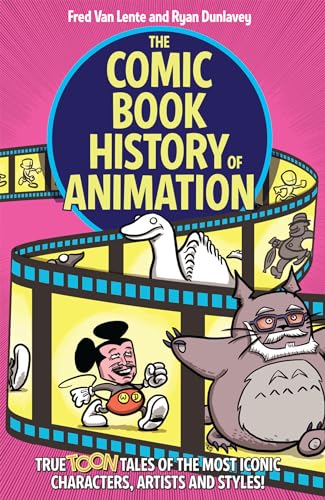
The Comic Book History of Comics by Fred Van Lente provides a humorous overview of comics' history, illustrating their impact on culture and society through storytelling.


Book links are Bookshop.org affiliate links. Curiate may earn a commission on purchases, at no extra cost to you — Bookshop.org also gives a share to independent bookshops.
Reading paths, built to arrive somewhere
Curiate turns what you are curious about into a short path — a quick lesson on an article, something to watch, and a book to go deep on. Free to browse.