How underground comix reshape comics publishing
The underground comic scene in the 1960s included punk comic artists like Gary Panter; long after their heyday, underground comix gained prominence with films and television shows influenced by the movement, and their legacy is most obvious with alternative comics.
3 articles, 1 book · about 1 hr 21 min of reading and viewing
The reading path
- Readthe underground comic scene in the 1960s · Wikipedia · 19 min read
In the underground comic scene in the 1960s, Robert Crumb published his first solo comic, Zap Comix, in February 1968, in San Francisco, with the help of poet Charles Plymell and Don Donahue of Apex Novelties. The title was financially successful and almost single-handedly developed a market for underground comix. The underground comic scene in the 1960s was followed by a British scene that came into prominence between 1973 and 1974 as the American underground comix scene began to decline, but soon faced similar criticism. Brainstorm Comix (1975 to 1978), the last UK underground comix series of note, featured only original British strips, mostly by Bryan Talbot. Autobiographical comics began to come into prominence in 1976 with the premiere of Harvey Pekar's self-published American Splendor, featuring art by several cartoonists associated with the underground, including Crumb. Comics critic Jared Gardner asserts that autobiography was underground comix's most enduring legacy.
- ReadUnderground Classics: The Transformation of Comics into Comix, 1963–1990 · asset.library.wisc.edu · 47 min read
Underground cartoonists in the 1960s received royalties, retained ownership of their original art, automatically held copyrights, built an alternative distribution system, and worked uncensored. Though more concerned with self-expression than profit, their thriving subculture challenged publishing economics and social and artistic conventions.
- ReadThe Influence of Underground Comics on Society: Explained · Toons Mag · 15 min read
Underground comix's DIY spirit laid the groundwork for creator-owned titles, linking their ethos of artistic autonomy to Image Comics, founded in 1992.
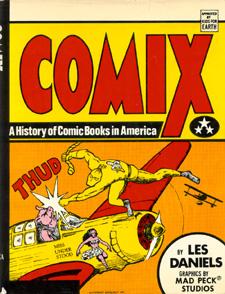
- BookComix: A History of Comic Books in America · Bookshop.org
Comix by Les Daniels describes the evolution of comic books through a narrative-driven exploration of the underground scene and its cultural impact during the 1960s.

Book links are Bookshop.org affiliate links. Curiate may earn a commission on purchases, at no extra cost to you — Bookshop.org also gives a share to independent bookshops.
Reading paths, built to arrive somewhere
Curiate turns what you are curious about into a short path — a quick lesson on an article, something to watch, and a book to go deep on. Free to browse.