From cracking games to the underground gaming culture of the 1990s
The demoscene is an international computer art subculture that makes self-contained programs producing audiovisual presentations, emerging with home computers and software cracking. What connects cracking games to a wider gaming culture, and how did this underground scene shape creative collaboration? The lessons trace that shift from cracking practices toward shared cultural identity and influence.
2 articles, 1 book · about 1 hr 18 min of reading and viewing
The reading path
- Readthe underground gaming culture of the 1990s · Wikipedia · 16 min read
The first crack screens appeared on the Apple II in the early 1980s and were often plain text screens crediting the cracker or their group. These screens evolved into animated, musical introductions, helping lead from game cracking to a new community that eventually became independent of gaming and software sharing scenes. Demosceners typically organize in small groups centered around a coder, musician, graphician and swapper. Group members tend to identify with their group, often extending their handle with its name, and mostly use handles as a form of self-expression.
- ReadThe Hacker Demo Scene and Its Cultural Artifacts · scheib.net · 60+ min read
Demo groups, groups involved in obtaining, cracking and redistributing illicit software, appear to make this cooperative effort one of their focus activities. The source also says breaking copy protection schemes is a form of industrial sabotage and that some elements within the international hacker and demo subculture sought overt destruction of commercial protection.
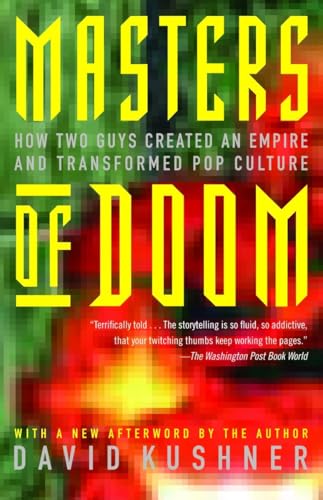
- BookMasters of Doom: How Two Guys Created an Empire and Transformed Pop Culture · Bookshop.org
Masters of Doom by David Kushner describes Doom's unprecedented success and the new gamer culture Kushner says it created, while focusing on the corporate culture that enabled id Software's games.

Book links are Bookshop.org affiliate links. Curiate may earn a commission on purchases, at no extra cost to you — Bookshop.org also gives a share to independent bookshops.
Reading paths, built to arrive somewhere
Curiate turns what you are curious about into a short path — a quick lesson on an article, something to watch, and a book to go deep on. Free to browse.