How the rise of arcade gaming in the 1980s shaped pop culture
The rise of arcade gaming in the 1980s was a period of rapid growth, technological development, and cultural influence in arcade video games, beginning in the late 1970s. Video game arcades became a part of popular culture and a primary channel for new games.
2 articles, 1 video, 1 book · about 1 hr 2 min of reading and viewing
The reading path
- Readthe rise of arcade gaming in the 1980s · Wikipedia · 47 min read
Namco's 1980 Pac-Man popularized the maze chase genre, while Rally-X featured a radar tracking the player position on the map. Character-driven gameplay enabled a wider variety of subgenres in arcade gaming. Home video game systems such as the Nintendo Entertainment System led to another brief arcade decline toward the end of the 1980s. In the early 1990s, Capcom's Street Fighter II established the modern style of fighting games and led to a number of similar games, resulting in a renaissance for the arcades. Beginning with Space Invaders, arcade games spread into supermarkets, restaurants, liquor stores, gas stations, and other retail establishments looking for extra income. Video game arcades became a part of popular culture, and Pac-Man and Space Invaders appeared in most locations across the United States, including even funeral homes.
- ReadThe Golden Age of Arcades: The Rise of 1980s Iconic Games · Bitvint · 4 min read
The Golden Age of Arcade Gaming (1978-1984) saw some of the most iconic arcade titles, cutting-edge technological advancements, and an explosion of gaming culture. Arcades became social hubs, gaming revenue soared, and Atari, Namco, and Nintendo cemented their legacies.
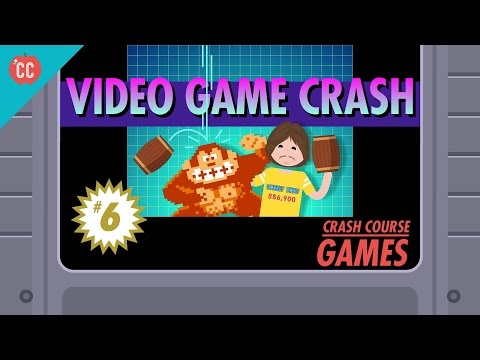
- WatchThe Video Game Crash of 1983: Crash Course Games #6 · YouTube · 11 min watch
The 1980s arcade boom was followed by the growth of home gaming and the events that led to the 1983 video game crash.
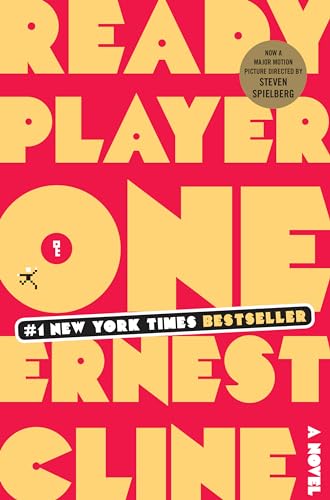
- BookReady Player One · Bookshop.org
Ready Player One by Ernest Cline describes Wade Watts escaping into the virtual OASIS and racing to win while confronting the real world, framing gaming as both refuge and competition. This fictional perspective shows what games can mean to players.

Book links are Bookshop.org affiliate links. Curiate may earn a commission on purchases, at no extra cost to you — Bookshop.org also gives a share to independent bookshops.
Reading paths, built to arrive somewhere
Curiate turns what you are curious about into a short path — a quick lesson on an article, something to watch, and a book to go deep on. Free to browse.