How symbols in art get their meaning
Symbolism in art is the use of concrete things to suggest abstract, deeper, or non-literal ideas, whether meanings are built in by creators or formed through interpretation. What gives symbols their meaning, and how can you recognize the ways meaning is made? The lessons consider how meaning can arise through creation, interpretation, and shared understanding.
2 articles, 1 video, 1 book · about 8 min of reading and viewing
The reading path
- Readthe use of symbolism in art · Wikipedia · 2 min read
In the use of symbolism in art, a rose often symbolizes beauty, a lion symbolizes strength, and certain colors symbolize national flags and thus, by extension, certain nations. The latter is specifically an example of color symbolism. In literature, symbolism goes beyond literal written words because writing itself is inherently a system of symbols. Symbolism also may be decided upon by the audience or by a consensus of scholars through their interpretation of the work.
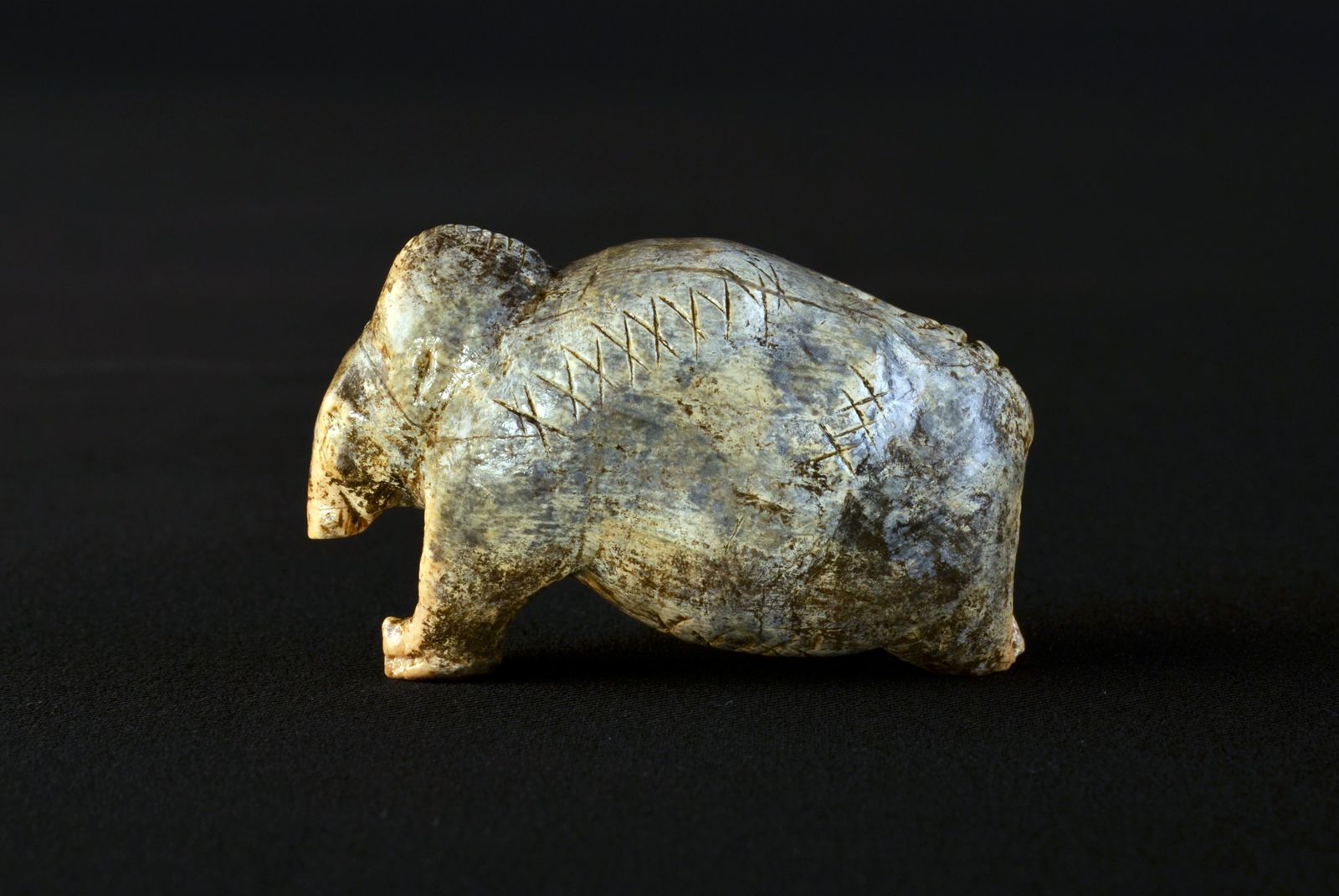
- ReadHumans May Have Used These Mysterious Symbols to Encode Information Tens of Thousands of Years Before the First Writing Systems · Smithsonian Magazine · 2 min read
Von Petzinger tells New Scientist, "Even if we don't know what the marks meant, we know they had meaning to the people who made them." Others think the symbols might have corresponded to different herbs or grains, or represented major milestones like childbirth.
- WatchWhat does this symbol actually mean? - Adrian Treharne · YouTube · 4 min watch
Adrian Treharne explains that some of the world's most recognizable symbols exist to sell products, steer traffic, or advance political causes, while the International Symbol of Access has the main purpose of helping people. The video asks what the symbol means and what its purpose is.
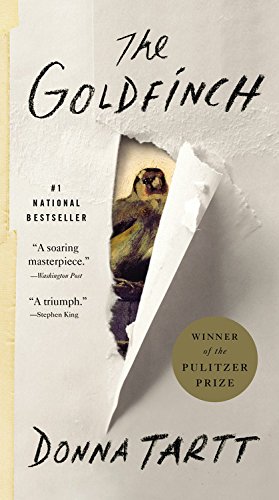
- BookThe Goldfinch · Bookshop.org
The Goldfinch by Donna Tartt describes a painting that reminds Theo of his mother and draws him into the criminal underworld; it shows how a painting can carry personal meaning and shape a life.

Book links are Bookshop.org affiliate links. Curiate may earn a commission on purchases, at no extra cost to you — Bookshop.org also gives a share to independent bookshops.
Reading paths, built to arrive somewhere
Curiate turns what you are curious about into a short path — a quick lesson on an article, something to watch, and a book to go deep on. Free to browse.