How surrealism disrupts ordinary reality
Surrealism is an art and cultural movement in which artists aimed to let the unconscious mind express itself, often through illogical or dreamlike scenes and ideas, and the term originated with Guillaume Apollinaire in 1917. What can surrealism help us understand about dreamlike disruptions of ordinary reality? The lessons trace how such disruptions take shape across artistic practice, literature, and cinema.
2 articles, 1 video, 1 book · about 1 hr 17 min of reading and viewing
The reading path
- Readsurrealism · Wikipedia · 55 min read
André Breton's 1924 Surrealist Manifesto defines the purposes of Surrealism. Its dictionary definition calls Surrealism "Pure psychic automatism, by which one proposes to express, either verbally, in writing, or by any other manner, the real functioning of thought," describing it as "Dictation of thought in the absence of all control exercised by reason, outside of all aesthetic and moral preoccupation." Surrealist Antonin Artaud extended Surrealist thought through his theory of the Theatre of Cruelty. He envisioned a direct, ritual theatre linking performers' and spectators' unconscious minds, expressing emotions and the metaphysical physically rather than through language. New York City in particular was already grappling with Surrealist ideas, and Arshile Gorky, Jackson Pollock, and Robert Motherwell converged closely with surrealist artists, albeit with some suspicion and reservations. Abstract Expressionism grew directly out of the meeting between American, particularly New York, artists and European Surrealists who had self-exiled during World War II.
- ReadP.C. Verrone Recommends Essential Texts of Afro-Surrealism · Literary Hub · 7 min read
Ralph Ellison's Invisible Man follows its protagonist from his ejection from a Southern all-Black college through bizarre confrontations in New York. Much of the book hovers on the edge of reality before diving into moments of Kafkaesque disorder, and the protagonist's social invisibility gives the narrative an unmoored feeling.
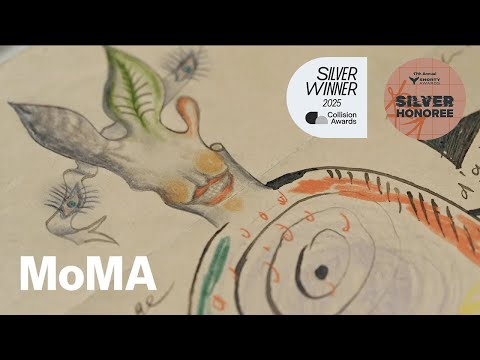
- WatchHow to See an Exquisite Corpse | Surrealism at 100 · YouTube · 15 min watch
Ted Joans's "Long Distance," an exquisite corpse created over three decades by 132 contributors, is explained by artist Laura Corsiglia and curator Lanka Tattersall in part two of the video. The video also covers the game's history, historical examples in MoMA's collection, and contemporary artists making life-size exquisite corpses.
- BookThe Metamorphosis · Bookshop.org
The Metamorphosis by Franz Kafka follows a young man transformed overnight into a giant beetle-like insect and made an outsider in his own home; its absurdly comic meditation on inadequacy, guilt, and isolation ties bizarre transformation to human feelings.


Book links are Bookshop.org affiliate links. Curiate may earn a commission on purchases, at no extra cost to you — Bookshop.org also gives a share to independent bookshops.
Reading paths, built to arrive somewhere
Curiate turns what you are curious about into a short path — a quick lesson on an article, something to watch, and a book to go deep on. Free to browse.