Everyday lives in the civil rights movement in the southern United States
The civil rights movement in the southern United States was a social movement from 1954 to 1968 that aimed to abolish legalized racial segregation, discrimination, and disenfranchisement, most commonly affecting African Americans. Led by Martin Luther King Jr. and others, it began a campaign of nonviolent protests and civil disobedience, including the Montgomery bus boycott in 1955 to 1956.
2 articles, 1 video, 1 book · about 2 hr 36 min of reading and viewing
The reading path
- ReadRemembering the Civil Rights Movement...With Comics - JSTOR Daily · JSTOR Daily · 3 min read
Oral histories of the civil rights movement come as videos, transcripts, and recordings, offering a more immediate, personal take on history. They can feel more like chats between friends than textbooks.
- Readthe civil rights movement in the southern united states · Wikipedia · 60+ min read
Mamie Till, Emmett Till's mother, decided she wanted to "let the people see what I have seen" after identifying his remains. She had his body taken back to Chicago and displayed in an open casket, where many thousands of visitors arrived to show their respects. In the Selma voting rights movement, James Bevel, director of the Selma Movement, organized a plan to march from Selma to Montgomery, the state capital. On March 7, 1965, Hosea Williams of the SCLC and John Lewis of SNCC led 600 people on the 54 miles (87 km) march.
- WatchAn unsung hero of the civil rights movement - Christina Greer · YouTube · 5 min watch
Christina Greer details Bayard Rustin's life of advocacy as a leader in the Civil Rights Movement and the challenges he faced as an openly gay Black man. The video covers his role as chief organizer of the 1963 March on Washington.
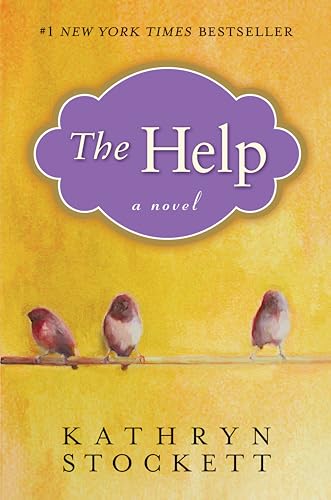
- BookThe Help · Bookshop.org
The Help by Kathryn Stockett describes Aibileen, a Black maid raising her seventeenth white child, and the loss of her son after his bosses looked the other way; their stories show how women are suffocating within the lines that define their town and their times.


Book links are Bookshop.org affiliate links. Curiate may earn a commission on purchases, at no extra cost to you — Bookshop.org also gives a share to independent bookshops.
Reading paths, built to arrive somewhere
Curiate turns what you are curious about into a short path — a quick lesson on an article, something to watch, and a book to go deep on. Free to browse.