Music education methodologies for meaningful learning
Music education methodologies are distinctive approaches to teaching music; some were developed or further refined during the 20th century. How can these approaches make learning meaningful to learners? By the end, you will understand how varied teaching practices can support musical growth through active engagement, cultural connection, and creative music-making.
2 articles, 1 book
The reading path
- Readmusic education methodologies · Wikipedia
Dalcroze eurhythmics, sometimes referred to as "rhythmic gymnastics," teaches rhythm, structure, and musical expression through movement. By engaging all the senses, particularly kinesthetic, it lets students gain physical awareness and experience of music. Culture-bearers is a plain term for human resources used in music teaching. World music pedagogy advocates using culture-bearers and deep and continued listening to archived resources such as those of Smithsonian Folkways Recordings, as part of instructional practices rooted in musical traditions. Orff Schulwerk starts from students' innate ability to make simple rhythms and melodies, fostering self-discovery and improvisation rather than mechanical drill. Its removable bars let teachers form different scales on instruments such as the xylophone, while playing them builds young children's visual and kinesthetic motor skills.
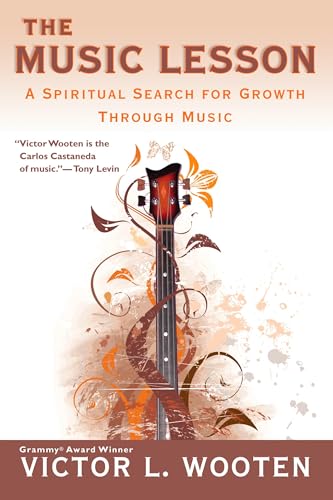
- BookThe Music Lesson: A Spiritual Search for Growth Through Music · Bookshop.org
Orff Schulwerk includes language, movement, and drama as well as music. The American adaptation uses four stages, imitation, exploration, improvisation, and composition, to develop children's musical literacy; students absorb music materials for their "tool box" through imitation, then explore and apply what they learned, and learn what music is by performing.
- ReadChapter 4: Approaches to Music Education | Music and the Child · courses.lumenlearning.com
The Music Lesson by Victor L. Wooten presents insights on music education through a fictional narrative, emphasizing creativity, intuition, and personal growth.

Book links are Bookshop.org affiliate links. Curiate may earn a commission on purchases, at no extra cost to you — Bookshop.org also gives a share to independent bookshops.
Reading paths, built to arrive somewhere
Curiate turns what you are curious about into a short path — a quick lesson on an article, something to watch, and a book to go deep on. Free to browse.