Music therapy and the brain
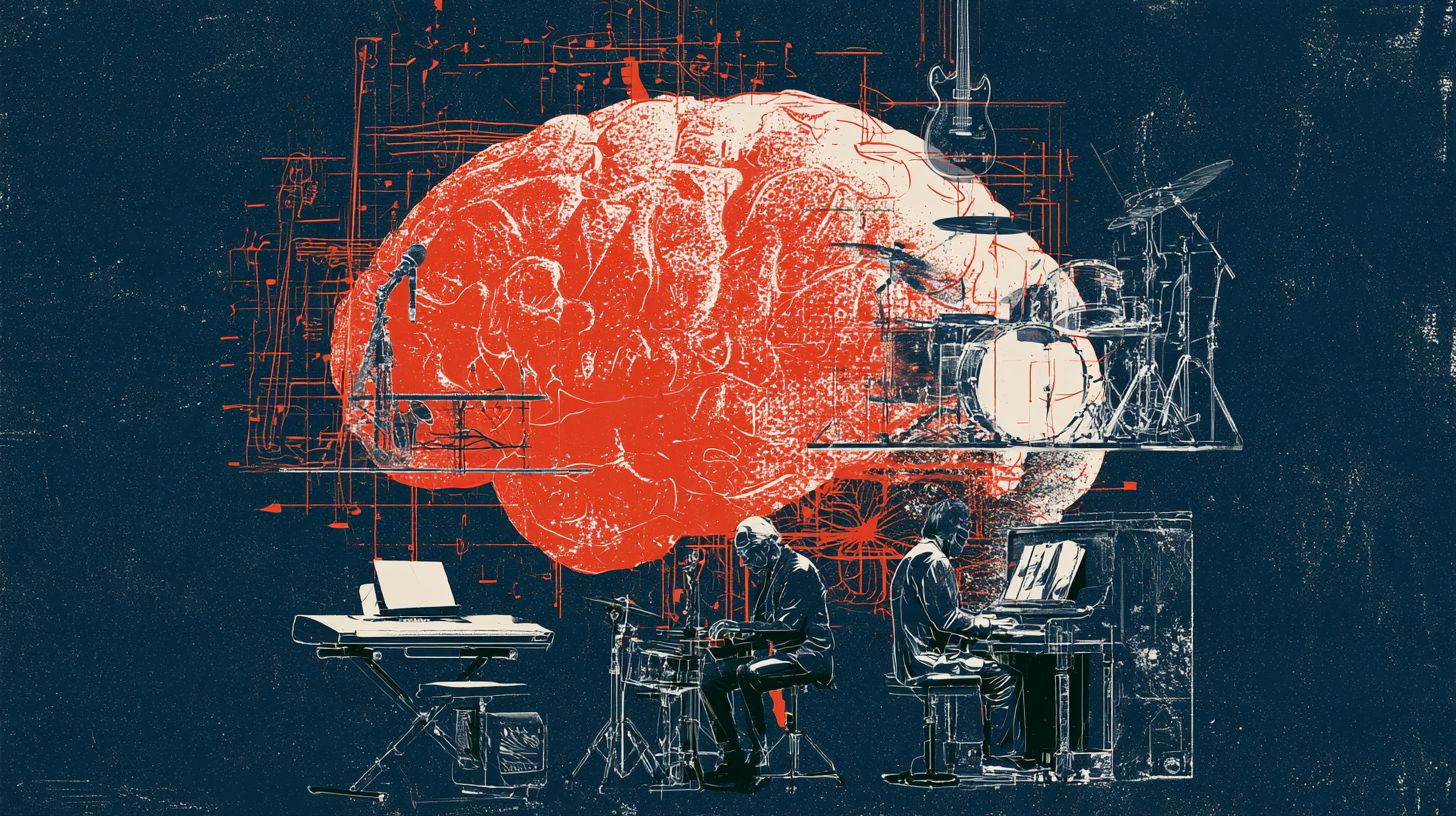
Music therapy uses music in a clinical setting to meet therapeutic goals and address clients' needs in one or more areas of human functioning. What can understanding how music engages the brain help us make sense of its role in communication, behavior, motivation, memory, and emotion? The lessons connect these themes to show how music can engage people through listening and making music.
2 articles, 1 book
The reading path
- Readmusic therapy · Wikipedia
People with non-fluent aphasia may be unable to speak fluently yet often can sing words and phrases they cannot otherwise express. Melodic intonation therapy uses singing, voice patterns and rhythm to help them communicate; with repetition and internal practice, a patient may eventually say a practiced phrase without singing. How this works is not fully understood. Active music therapy engages clients or patients in making music, while receptive therapy guides them in listening or responding to live or recorded music. Either or both types can lead to verbal discussions, depending on client needs and the therapist's orientation-showing that music therapy can engage people through both making and responding to music. A study of over 330 subjects found that music therapy improved social behaviors and reduced agitated behaviors in people with dementia. Many authors suspect music soothes patients by changing how noise is perceived: it may make noise familiar or buffer patients from overwhelming or extraneous noise.
- ReadMaking Music May Rewire the Addicted Brain · Neuroscience News
Frontal alpha asymmetry is a difference in brain-wave activity between the front left and right sides of the brain. In this 16-person pilot, post-intervention frontal alpha asymmetry differed significantly between music therapy plus standard treatment and standard treatment alone.
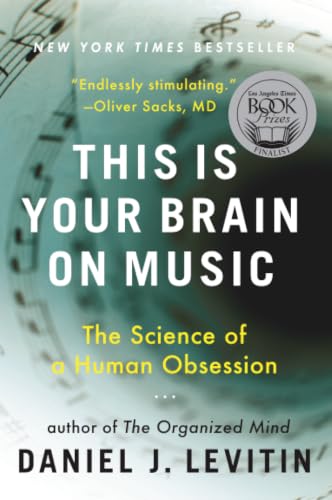
- BookThis Is Your Brain on Music: The Science of a Human Obsession · Bookshop.org
This Is Your Brain on Music is a book by Daniel J. Levitin.

Book links are Bookshop.org affiliate links. Curiate may earn a commission on purchases, at no extra cost to you — Bookshop.org also gives a share to independent bookshops.
Reading paths, built to arrive somewhere
Curiate turns what you are curious about into a short path — a quick lesson on an article, something to watch, and a book to go deep on. Free to browse.