Curiate

Music, culture and identity

Music is present in every human society and often carries social bonds, identity and politics. These five curations look at world music and cultural identity, how music shapes social bonds and emotion, what folk songs record about everyday life, how classical forms change over time, and how improvisation becomes spontaneous composition.

How world music traditions shape cultural identity

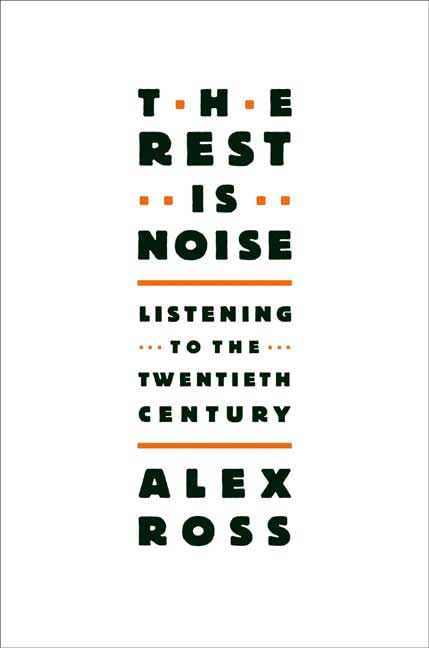
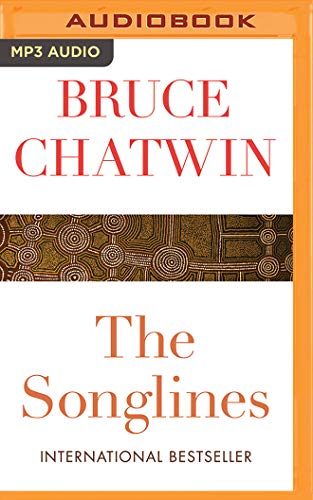
World music is an English phrase for styles of music from primarily non-English-speaking countries, including traditional, quasi-traditional, and intercultural music, and became a marketing category for non-Western traditional music. The lessons answer how music connects to place and cultural identity, and help readers understand the cultural ties and changes that shape musical traditions. They consider how music travels, blends, and sustains community bonds.

by Curiate·world music traditions
How the role of music in culture shapes social bonds

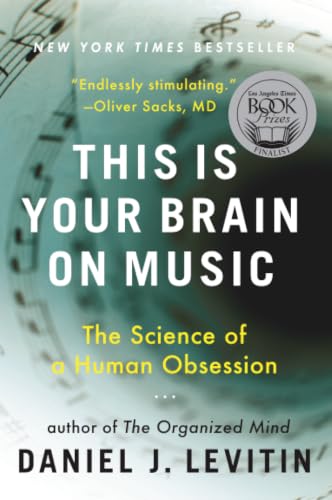
Music is present in all human societies and often plays a key role in social events and religious ceremonies. These lessons answer how music shapes social bonds and emotional understanding, and what makes it powerful in people's lives. They consider music's place in shared cultural experiences and its capacity to connect people.

by Curiate·the role of music in culture

How folk music records everyday life

Folk music includes traditional songs and a contemporary genre that developed from traditional folk music starting in the mid-20th century. What can folk songs help us understand about everyday life and the people who lived it. The lessons consider how music reflects work, community, and people's experiences.

by Curiate·the influence of folk music

How classical music forms change over time

Classical music forms are the structures of musical compositions or performances, referring to a composition's largest shape. What can these structures help you understand about how musical forms change over time? The lessons consider how larger forms relate to their parts and how those relationships shift.

by Curiate·classical music forms

How improvisation becomes spontaneous composition

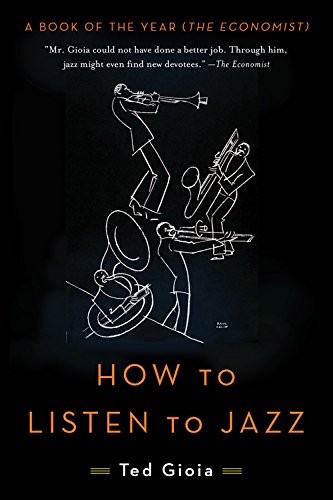
Improvisation in music is making music in the moment, combining performance with emotional communication and spontaneous responses to other musicians. These lessons answer how spontaneous composition works and how musicians can prepare for it. They trace how musical structures and frameworks support creative expression.

by Curiate·the role of improvisation in music

Reading paths, built to arrive somewhere

Curiate turns what you are curious about into a short path — a quick lesson on an article, something to watch, and a book to go deep on. Free to browse.

Explore CuriateHow it works