How producers shaped the Nashville sound
The Nashville sound was a smoother kind of country music that replaced rough honky tonk with strings, choruses, polished vocals and pop tempos, in an effort to revive sales after rock and roll rose. How did producers shape this change, and what can their choices help us understand about Nashville country? The lessons follow production's role in shaping a smoother sound for wider audiences.
2 articles, 1 book · about 9 min of reading and viewing
The reading path
- Readthe evolution of country music in nashville during the 1960s · Wikipedia · 4 min read
Nashville's pop song structure became more pronounced and morphed into countrypolitan, a smoother sound typified by lush string arrangements with a real orchestra and often background vocals provided by a choir. Producers Billy Sherrill and Glenn Sutton were among its architects, and countrypolitan music sold well through the later 1960s into the mid-1970s.
- ReadOwen Bradley - Country Music Hall of Fame and Museum · Country Music Hall of Fame and Museum · 5 min read
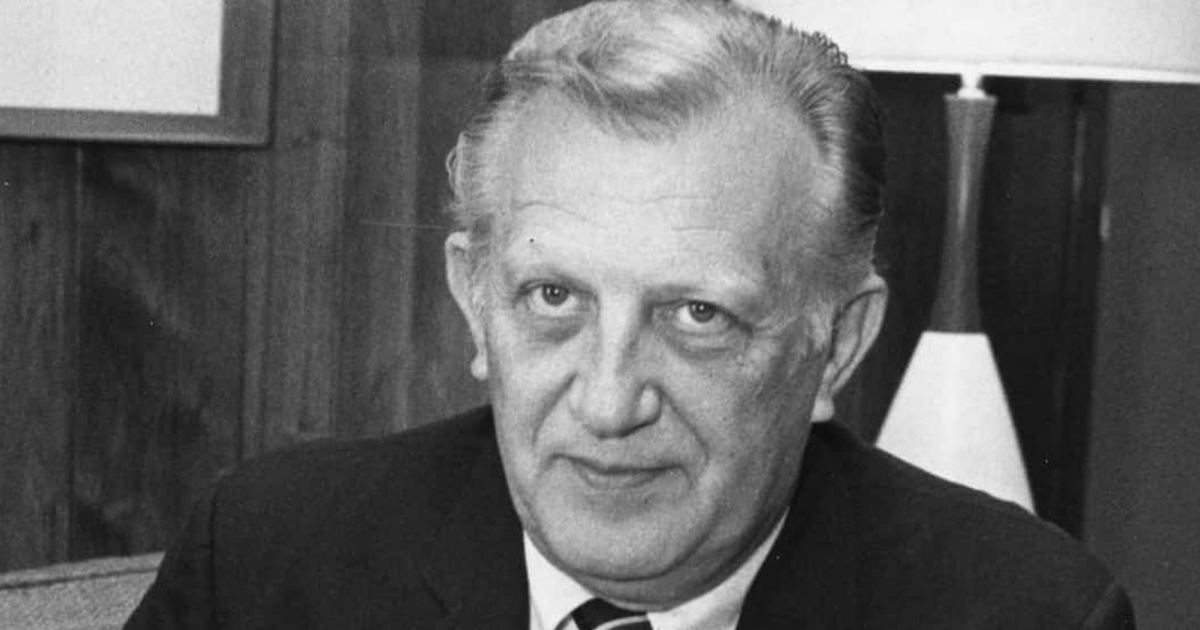
Owen Bradley, a country music producer, was an architect of the Nashville Sound, a key part of country music's evolution in Nashville during the 1960s. Owen Bradley put singers out front, using rhythm sections of guitars, bass, drums, and piano for basic support. The resulting music was easily accessible to a wide range of listeners.
- BookCountry Music: A Cultural and Stylistic History · Bookshop.org
Country Music by Bill C. Malone follows country music from its folk roots in the rural South through the early days of radio to the beginning of the twenty-first century.

Book links are Bookshop.org affiliate links. Curiate may earn a commission on purchases, at no extra cost to you — Bookshop.org also gives a share to independent bookshops.
Reading paths, built to arrive somewhere
Curiate turns what you are curious about into a short path — a quick lesson on an article, something to watch, and a book to go deep on. Free to browse.