Motown's crossover appeal and racial integration
The golden age of Motown in Detroit included Gordy helping write six more Wilson A-sides during the next eighteen months, including "Lonely Teardrops," a peak-popular hit of 1958. What can we understand about Motown's crossover appeal and its relationship to racial integration? The lessons trace how music, performance, and efforts to reach wider audiences shaped that connection.
2 articles, 1 book
The reading path
- Readthe golden age of motown in detroit · Wikipedia
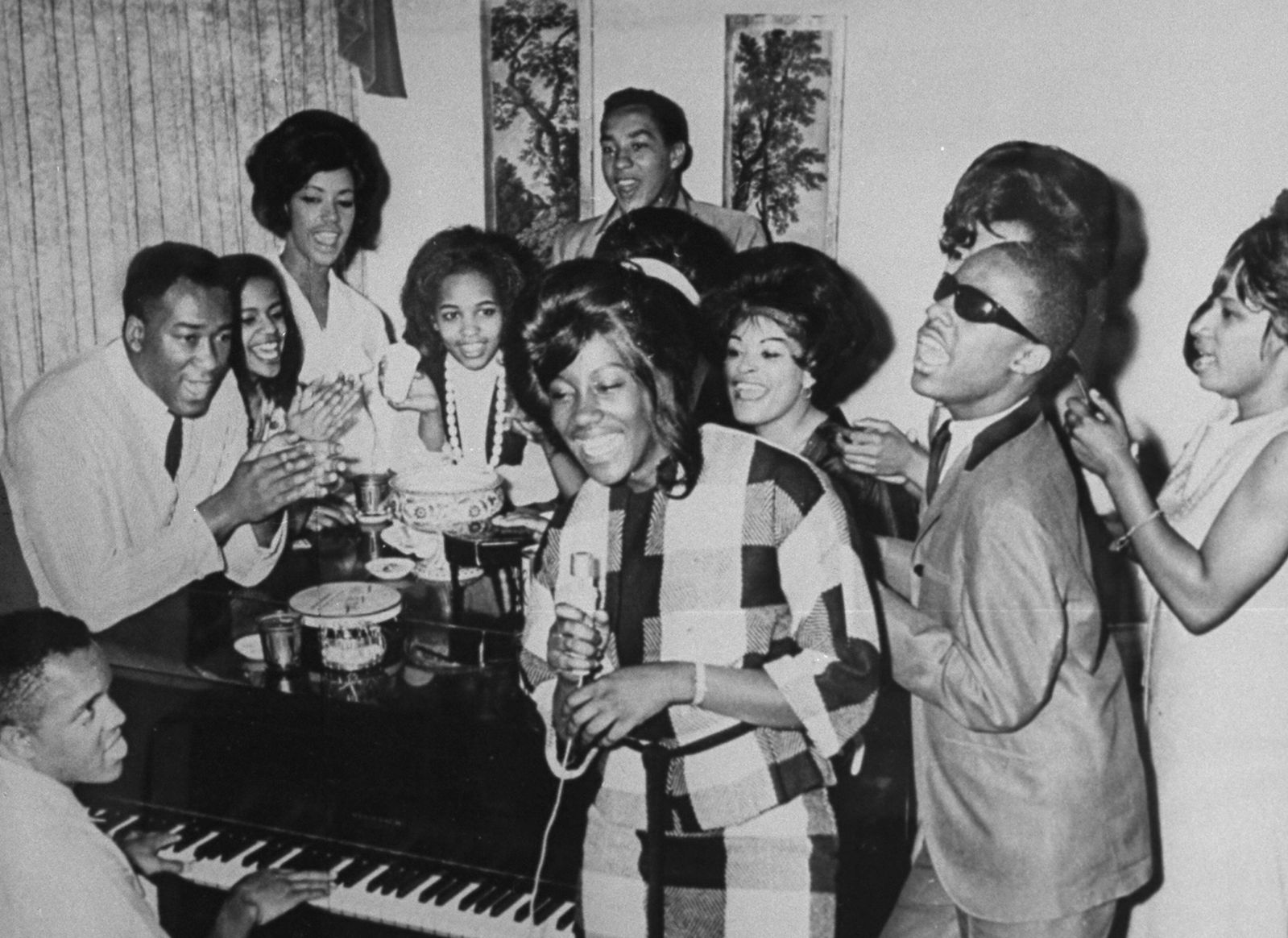
Under "The Sound of Young America," Motown's acts were enjoying widespread popularity among black and white audiences alike. Smokey Robinson, a Motown singer and songwriter, said, "I recognized the bridges that we crossed, the racial problems and the barriers that we broke down with music." He recalled that audiences in the South were segregated in Motown's early days, but later audiences were integrated, with kids dancing together and holding hands. Motown artists were advised that breaking into the white popular music market made them ambassadors for other African-American artists seeking broad acceptance. The Motortown Revue, popular first on the "Chitlin' Circuit" and later around the world, let younger artists hone performance and social skills while learning from experienced performers.
- ReadMotown Records, Founded on This Day in 1959, Broke Racial Barriers in Pop Music With Its Beloved Hits · Smithsonian Magazine
Berry Gordy, a record-label founder and songwriter, sometimes avoided putting musicians on album covers so they wouldn't be immediately discounted because of their race. To reach the majority-Black R&B market and the broader, majority-white "pop" audience, Gordy hired white marketers; Motown's pop-chart integration led groups like the Supremes to play clubs with predominantly white audiences, though several artists, including the Contours' Joe Billingslea, recounted racism while touring.
- BookMotown: The Sound of Young America · Bookshop.org
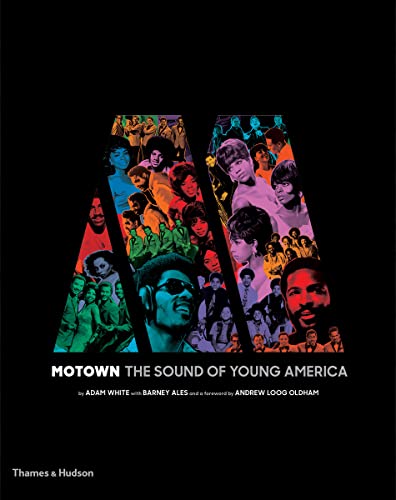
Motown by Adam White presents a visual history of Motown Records through specially commissioned photography of its archives and its graphic and design iconography, and describes how a dedicated team turned a small family business into a popular music powerhouse.
Book links are Bookshop.org affiliate links. Curiate may earn a commission on purchases, at no extra cost to you — Bookshop.org also gives a share to independent bookshops.
Reading paths, built to arrive somewhere
Curiate turns what you are curious about into a short path — a quick lesson on an article, something to watch, and a book to go deep on. Free to browse.