Detroit urban gardening and community
The urban gardening movement in Detroit is urban agriculture: cultivating, processing, and distributing food in urban areas. How have gardens helped Detroiters respond to hardship and build connections? By the end, readers will understand how gardening can support community ties, neighborhood identity, and responses to social and cultural challenges.
2 articles, 1 book
The reading path
- Readthe urban gardening movement in detroit · Wikipedia
Detroit's Garden Resource Program Collaborative builds community through cluster tool banks, where gardeners share tools, compost, mulch, seeds, and education. It also connects gardeners through workgroups, potlucks, tours, field trips, and cluster workdays, while providing access to members' transplants and education on gardening, policy, and food issues. In 1894, Detroit Mayor Hazen S. Pingree asked outlying citizens to lend properties to the city, which turned the lots into potato gardens nicknamed Pingree's Potato Patches. The gardens aimed to provide income, food, and independence during hardship, and their success led other US cities to adopt similar practices. Many gardens facilitate improved social networks, and for many neighborhoods, gardens provide a "symbolic focus," which leads to increased neighborhood pride. The ability to produce and grow food for oneself has also been reported to improve self-esteem or self-efficacy, while urban agriculture provides unique opportunities to bridge diverse communities and provides opportunities for each community garden to be a hub reflective of the community.
- ReadAuthor and Board Member Joseph Cialdella talks to Michigan Humanities about his new book Motor City Green - Michigan Humanities · Michigan Humanities - Bringing people together through stories, histories, cultures, and conversations.
Joseph Cialdella, Program Lead for Public Scholarship at the University of Michigan, says the Detroit Urban League, an important African American social service organization, designed and built an outdoor camp for Detroit youth in hopes it would help improve their social position. In his book Motor City Green, Cialdella argues that Detroit's green places helped people forge human connections and address social and cultural challenges.
- BookSeedfolks · Bookshop.org
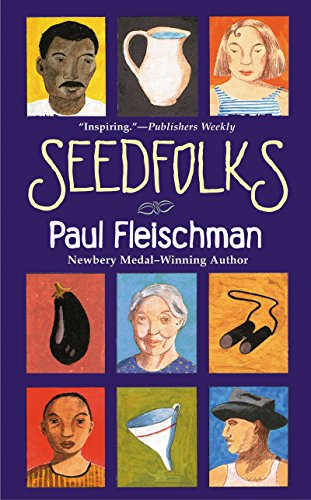
Seedfolks by Paul Fleischman describes Gonzalo and his uncle, Tio Juan, adding to a garden; Tio Juan, a farmer in Guatemala, finds a place he feels comfortable and helps others with their gardens despite not speaking English.

Book links are Bookshop.org affiliate links. Curiate may earn a commission on purchases, at no extra cost to you — Bookshop.org also gives a share to independent bookshops.
Reading paths, built to arrive somewhere
Curiate turns what you are curious about into a short path — a quick lesson on an article, something to watch, and a book to go deep on. Free to browse.