Public policy analysis and lived urban experience
Public policy analysis examines and evaluates options for carrying out the goals of laws and elected officials, considering how each option relates to those goals. The lessons answer how policy analysis can account for lived urban experience when defining problems, evaluating alternatives and recommending policies. They connect community knowledge, research methods and planning choices to a broader understanding of how policy meets everyday life.
4 articles, 1 book
The reading path
- Readpublic policy analysis · Wikipedia
Policy analysis uses qualitative methods, including case studies and interviews with community members, and quantitative methods, including survey research, statistical analysis and model building. A common practice is to define the problem and evaluation criteria, identify and evaluate alternatives, and recommend a policy accordingly. Rapid evaluation and assessment methods are often used in international development to assess the impact of aid policies in response to natural disasters. They involve simultaneous data collection and analysis, and interim findings are used to adapt and improve processes. Workplace policy spans parental leave, maternity programs, sexual harassment, work/life balance and gender mainstreaming. Juxtaposing varied research methodologies focused on a common theme builds a richer understanding of these gender-related employment issues.
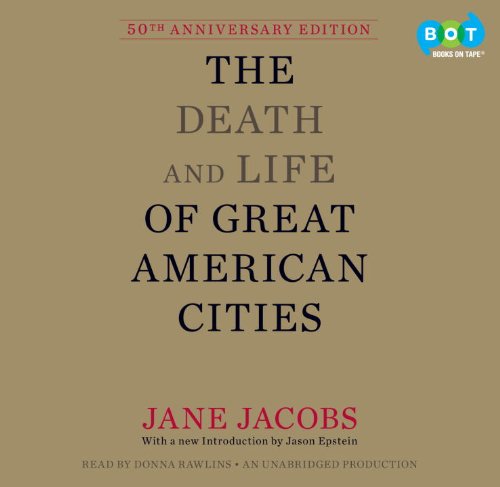
- BookThe Death and Life of Great American Cities · Bookshop.org
Access to food, water, clean air and healthcare is decided by public policies, through processes shaped by political and economic context. Comparing how decision makers in different places tackle similar problems can reveal different perspectives and inform better policy, though what counts as "better" can be contingent. Thomas Dye, an American political scientist, defines public policy as "whatever governments choose to do or not to do."
- ReadModule 1: Introduction to Comparative Public Policy – POLS 326.3 | Comparative Public Policy · sites.usask.ca
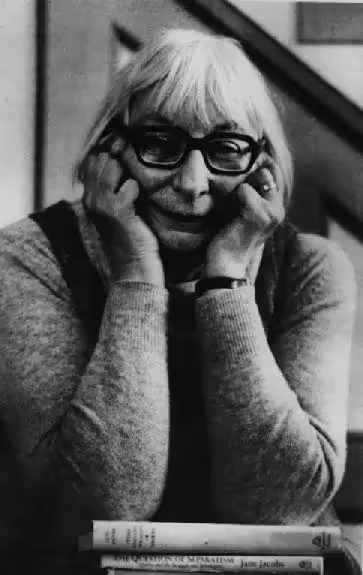
Jane Jacobs, an urban thinker who studied what made cities and neighborhoods work, argued that plazas people don't regularly traverse for a wide range of reasons are apt to become "dangerous gauntlets." Jacobs said housing projects limited future economic activity by designating space for preordained commercial activities, which she called "monopoly planning"; small businesses are the source of the city economy's regeneration.
- ReadJane Jacobs, 1916–2006 · City Journal
Jane Jacobs, an urban writer and activist, argued that local expertise and direct observation should guide community development, because prescribed planning policies are usually inconsistent with how neighborhoods function. Although orthodox planning theory blamed high density for crime and other problems, Jacobs used concrete examples to show how higher densities can support vibrant communities, while density alone does not produce healthy communities and is not the same as overcrowding.
- ReadJane Jacobs · pps.org
The Death and Life of Great American Cities by Jane Jacobs critiques 1950s urban planning policy, which Jacobs argues contributed to the decline of many U.S. city neighborhoods, and argues that planning should prioritize residents' needs and experiences.

Book links are Bookshop.org affiliate links. Curiate may earn a commission on purchases, at no extra cost to you — Bookshop.org also gives a share to independent bookshops.
Reading paths, built to arrive somewhere
Curiate turns what you are curious about into a short path — a quick lesson on an article, something to watch, and a book to go deep on. Free to browse.