Stock market analysis, trends, and company fundamentals
Stock market analysis studies past market data, mainly prices and trading volume, to assess and forecast price direction. What can readers understand about how investors assess markets and how strategies can be tested against historical data. The lessons connect market analysis with company fundamentals, trend analysis, and the limits of automated testing.
2 articles, 1 book
The reading path
- Readstock market analysis · Wikipedia
Fundamental analysis may include a company's recent EBITDA figures, the estimated impact of recent staffing changes to the board of directors, geopolitical considerations, and the estimated future effects of global warming. Technical analysis examines trading patterns, such as price trends, while some traders use technical or fundamental analysis exclusively and others use both types to make trading decisions. Technical Analysis of Stock Trends, published by Robert D. Edwards and John Magee in 1948, is widely considered one of the seminal works of technical analysis. Exclusively concerned with trend analysis and chart patterns, it remains in use to the present.
- ReadHow to Analyze Stocks: Beginner's Fundamentals · stockcram.com
Apple's $99.6B in free cash flow is cash generated after running its business and investing in future growth, and cash flow is harder to manipulate than earnings. Fundamental analysis turns financial data into a story about a company's health, value, and prospects; free cash flow is operating cash flow minus capital expenditures, leaving cash available for dividends, buybacks, debt reduction, or growth.
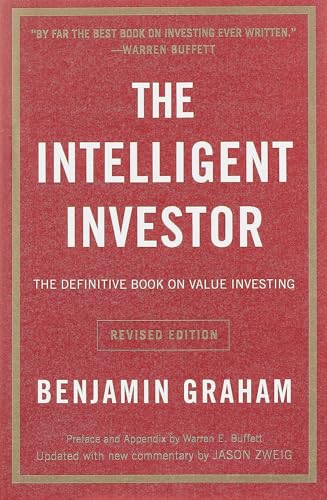
- BookThe Intelligent Investor · Bookshop.org
The Intelligent Investor by Benjamin Graham focuses on value investing: Graham argues that it shields investors from substantial error and teaches them to develop long-term strategies.
Book links are Bookshop.org affiliate links. Curiate may earn a commission on purchases, at no extra cost to you — Bookshop.org also gives a share to independent bookshops.
Reading paths, built to arrive somewhere
Curiate turns what you are curious about into a short path — a quick lesson on an article, something to watch, and a book to go deep on. Free to browse.