The politics of health care and policy
The politics of health care concerns health policy: decisions, plans, and actions undertaken to achieve specific healthcare goals within a society. According to the World Health Organization, an explicit health policy defines a vision for the future, outlines priorities and the expected roles of different groups, and builds consensus and informs people.
2 articles, 1 video, 1 book · about 26 min of reading and viewing
The reading path
- Readthe politics of health care · Wikipedia · 17 min read
Single-payer systems reduce wastefulness by removing private insurance companies and reducing bureaucracy, according to claims that publicly funded healthcare improves quality and efficiency. EU citizens are entitled by law to receive healthcare in any EU member state, with their home nation compensating them for care received elsewhere. The European Health Insurance Card guarantees essential medical care under the same conditions and at the same cost as for people insured in that country, linking cross-border care to EU health policy and access. South Africa's previous government policy limiting funding and access for AIDS treatments met with strong controversy because it was based on a refusal to accept scientific evidence on the means of transmission. A change of government eventually led to new policies for widespread access to HIV services.
- ReadSolving the Political Paradox of Health Care Reform - KFF Health News · KFF Health News · 3 min read
Health insurance and payment reforms can only work if everybody has health insurance: with millions uninsured, bad behavior will inevitably trump good. Uninsured, chronically ill patients keep ending up in preventable, costly hospital admissions, because their conditions are not managed properly. This KFF Health News article argues that investing in universal coverage up front saves money later.
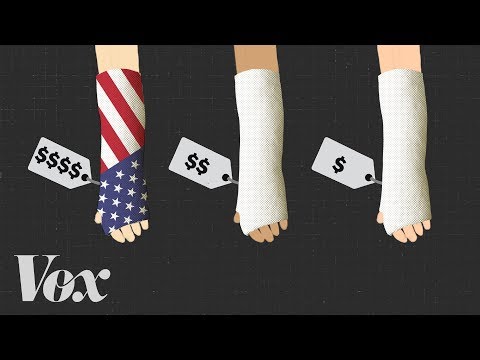
- WatchThe real reason American health care is so expensive · YouTube · 6 min watch
Bargaining power sets health care prices in the United States. Uninsured people pay the most, and government programs often negotiate lower prices.
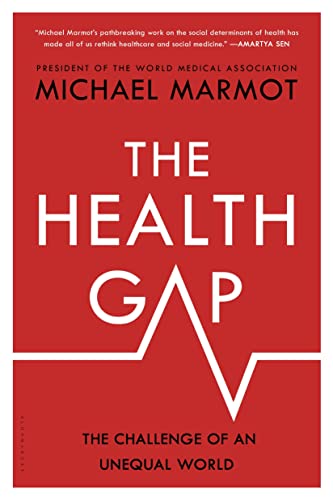
- BookThe Health Gap: The Challenge of an Unequal World · Bookshop.org
The Health Gap by Michael Marmot examines how inequality, rather than poverty alone, drives health disadvantage. Marmot argues that technical solutions and individual behavior changes have limits, while creating conditions for people to control their lives makes a difference.

Book links are Bookshop.org affiliate links. Curiate may earn a commission on purchases, at no extra cost to you — Bookshop.org also gives a share to independent bookshops.
Reading paths, built to arrive somewhere
Curiate turns what you are curious about into a short path — a quick lesson on an article, something to watch, and a book to go deep on. Free to browse.